

Opis
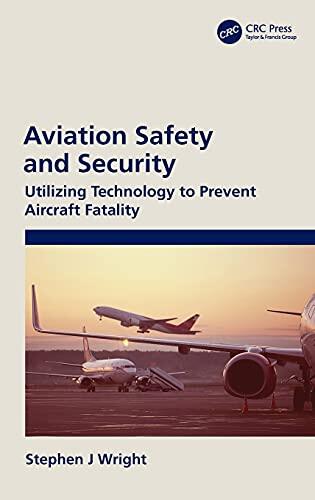
In a world where air travel is an essential mode of transportation, the need for comprehensive safety and security measures in aviation has never been more critical. This book dives deep into the intersection of cutting-edge technology and aviation safety, exploring innovative solutions to prevent aircraft fatalities. Through insightful analysis, the author illuminates the complexities of air safety protocols and the role that advancements in technology play in enhancing these measures.
Stephen J. Wright, with his wealth of experience, brings readers up to speed on the latest developments in aviation technology. He examines how systems such as artificial intelligence, satellite tracking, and real-time data analytics can be harnessed to improve safety. The narrative is both informative and engaging, making complex ideas accessible to a wide audience, from industry professionals to aviation enthusiasts.
The book not only identifies potential vulnerabilities within the aviation framework but also presents compelling case studies that highlight successful implementations of safety technologies. Each example serves as a testament to the progress being made and inspires hope for a future with significantly reduced risks.
Throughout, Wright emphasizes the importance of a proactive approach in aviation safety. He underscores that while technology is a powerful ally, the human factor remains crucial. This thoughtful exploration invites readers to think critically about the evolving landscape of aviation safety and security, urging collective responsibility for the well-being of passengers and crew alike.
Stephen J. Wright, with his wealth of experience, brings readers up to speed on the latest developments in aviation technology. He examines how systems such as artificial intelligence, satellite tracking, and real-time data analytics can be harnessed to improve safety. The narrative is both informative and engaging, making complex ideas accessible to a wide audience, from industry professionals to aviation enthusiasts.
The book not only identifies potential vulnerabilities within the aviation framework but also presents compelling case studies that highlight successful implementations of safety technologies. Each example serves as a testament to the progress being made and inspires hope for a future with significantly reduced risks.
Throughout, Wright emphasizes the importance of a proactive approach in aviation safety. He underscores that while technology is a powerful ally, the human factor remains crucial. This thoughtful exploration invites readers to think critically about the evolving landscape of aviation safety and security, urging collective responsibility for the well-being of passengers and crew alike.
Szczegóły książki
Format
Twarda okładka
Strony
186 stron
Język
Angielski
Opublikowany
cze 4, 2021
Wydawca
CRC Press
Wydanie
1
ISBN-10
0367275198
ISBN-13
9780367275198