

Opis
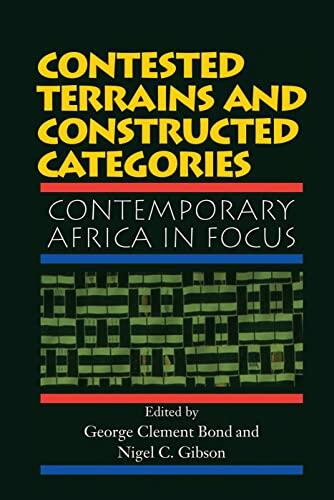
This insightful work delves into the multifaceted dynamics of contemporary Africa, exploring how various terrains—both physical and ideological—shape the lives and identities of its people. The authors, Nigel C. Gibson and George Clement Bond, brilliantly navigate the complexities of a continent marked by colonial legacies, post-colonial challenges, and the ongoing contestation of identities. They draw attention to how these factors influence socio-political landscapes and cultural narratives.
Through a diverse collection of essays, the book presents a rich tapestry of voices and perspectives that illuminate the intricacies of African life today. It highlights the importance of understanding the continent as a space of both conflict and creativity, showcasing how communities engage with the past while striving for a more equitable future.
The authors challenge readers to rethink preconceived notions of Africa, urging them to recognize the vibrant and dynamic realities that defy simplistic categorizations. By examining the interplay between power, culture, and resistance, they provide a robust framework for analyzing contemporary African experiences.
Ultimately, this work serves as a compelling reminder of the resilience and ingenuity found within Africa's diverse societies, encouraging a deeper appreciation for the continent's complexities and the ongoing negotiations of its identity in a rapidly changing world.
Through a diverse collection of essays, the book presents a rich tapestry of voices and perspectives that illuminate the intricacies of African life today. It highlights the importance of understanding the continent as a space of both conflict and creativity, showcasing how communities engage with the past while striving for a more equitable future.
The authors challenge readers to rethink preconceived notions of Africa, urging them to recognize the vibrant and dynamic realities that defy simplistic categorizations. By examining the interplay between power, culture, and resistance, they provide a robust framework for analyzing contemporary African experiences.
Ultimately, this work serves as a compelling reminder of the resilience and ingenuity found within Africa's diverse societies, encouraging a deeper appreciation for the continent's complexities and the ongoing negotiations of its identity in a rapidly changing world.
Szczegóły książki
Format
Twarda okładka
Strony
499 stron
Język
Angielski
Opublikowany
sie 8, 2019
Wydawca
Routledge
Wydanie
1
Wydania
Wydania: 2
ISBN-10
036731519X
ISBN-13
9780367315191