

Opis
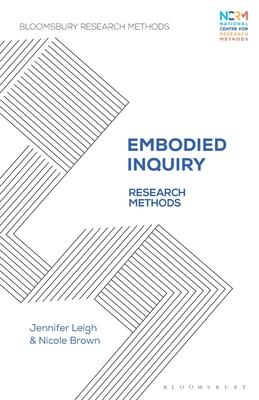
Embodied inquiry invites researchers to engage with the world through a somatic lens, blending physical experience with academic exploration. The authors, well-versed in various methodologies, delve into how the body can be a crucial site of knowledge generation, expanding traditional boundaries of research beyond the purely cognitive. Through a collection of insights and case studies, they illustrate the transformative potential of engaging the senses and movement as integral components of inquiry.
By fostering a deep connection between mind and body, the authors argue that researchers can uncover richer, more nuanced understandings of their subjects. Their work emphasizes the importance of reflexivity, encouraging practitioners to consider their own embodied experiences as part of the research process. This emphasis on personal engagement offers an innovative way to approach complex social phenomena, encouraging a more holistic view of knowledge creation.
The book serves as a guide for those looking to harness embodied practices, presenting frameworks and techniques that bridge theory and action. Whether one is drawn to qualitative methods or interdisciplinary perspectives, the authors provide valuable tools to enrich any research journey. Ultimately, what emerges is a compelling case for the significance of embodied inquiry in fostering deeper connections to both research subjects and the broader world.
By fostering a deep connection between mind and body, the authors argue that researchers can uncover richer, more nuanced understandings of their subjects. Their work emphasizes the importance of reflexivity, encouraging practitioners to consider their own embodied experiences as part of the research process. This emphasis on personal engagement offers an innovative way to approach complex social phenomena, encouraging a more holistic view of knowledge creation.
The book serves as a guide for those looking to harness embodied practices, presenting frameworks and techniques that bridge theory and action. Whether one is drawn to qualitative methods or interdisciplinary perspectives, the authors provide valuable tools to enrich any research journey. Ultimately, what emerges is a compelling case for the significance of embodied inquiry in fostering deeper connections to both research subjects and the broader world.
Szczegóły książki
Format
Miękka okładka
Strony
144 stron
Język
Angielski
Opublikowany
Jul 1, 2021
Wydawca
Bloomsbury Academic
ISBN-10
1350118761
ISBN-13
9781350118768