

Opis
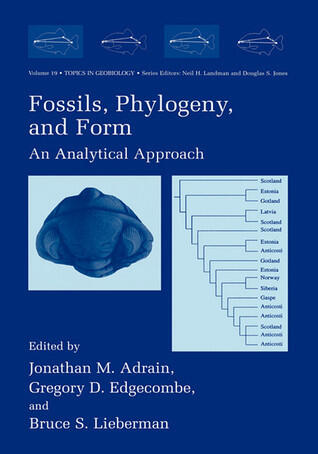
This book presents a comprehensive exploration of the intersection of fossils, phylogeny, and form, emphasizing the analytical methods that have emerged in the study of evolutionary biology. Authors Jonathan M. Adrain and Gregory D. Edgecombe delve into how phylogenetic analysis and morphometric techniques can be employed to uncover the intricate relationships between extinct and extant species. By examining both the fossil record and the morphological data, they provide insights into the evolutionary processes that shape biodiversity over time.
Drawing on a wealth of examples and case studies, the authors illustrate how these analytical approaches can enhance our understanding of life's history. They reveal the significance of fossils not just as remnants of the past, but as critical data points that inform phylogenetic trees and our interpretations of evolutionary change. The book serves as a valuable resource for students and researchers in evolutionary biology, paleontology, and related fields who seek a deeper understanding of the methods that drive contemporary analytical approaches in evolutionary studies.
Drawing on a wealth of examples and case studies, the authors illustrate how these analytical approaches can enhance our understanding of life's history. They reveal the significance of fossils not just as remnants of the past, but as critical data points that inform phylogenetic trees and our interpretations of evolutionary change. The book serves as a valuable resource for students and researchers in evolutionary biology, paleontology, and related fields who seek a deeper understanding of the methods that drive contemporary analytical approaches in evolutionary studies.
Szczegóły książki
Format
Twarda okładka
Strony
416 stron
Język
Angielski
Opublikowany
sty 31, 2002
Wydawca
Springer
Wydania
Wydania: 2
ISBN-10
0306467216
ISBN-13
9780306467219