

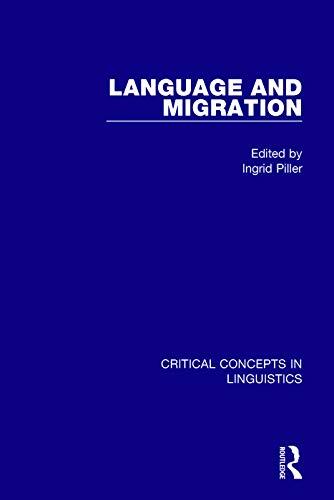
Szczegóły książki
Format
Twarda okładka
Strony
450
Język
Angielski
Opublikowany
Jun 16, 2016
Wydawca
Routledge
ISBN-10
1138847089
ISBN-13
9781138847088
Opis
This volume delves into the intricate relationship between language and the experiences of migrants around the world. It examines how language acts as both a barrier and a bridge for individuals navigating new cultural landscapes. Authors shed light on the role of language in shaping identities, influencing integration, and impacting social dynamics within diverse communities.
With international migration reaching unprecedented levels, the exploration of language becomes essential in understanding the complexities faced by migrants. The book offers insights into the ways language not only facilitates communication but also reflects power dynamics between host and migrant communities. It highlights the multifaceted experiences of individuals as they grapple with their linguistic identities in unfamiliar environments.
Ingrid Piller expertly compiles research that underscores the importance of language in the migration narrative. Through various case studies and theoretical frameworks, readers are invited to consider the broader implications of language policies and practices that affect migration patterns. Ultimately, this volume serves as a crucial resource for scholars, policymakers, and anyone interested in the intersections of language, identity, and migration in today's globalized world.
With international migration reaching unprecedented levels, the exploration of language becomes essential in understanding the complexities faced by migrants. The book offers insights into the ways language not only facilitates communication but also reflects power dynamics between host and migrant communities. It highlights the multifaceted experiences of individuals as they grapple with their linguistic identities in unfamiliar environments.
Ingrid Piller expertly compiles research that underscores the importance of language in the migration narrative. Through various case studies and theoretical frameworks, readers are invited to consider the broader implications of language policies and practices that affect migration patterns. Ultimately, this volume serves as a crucial resource for scholars, policymakers, and anyone interested in the intersections of language, identity, and migration in today's globalized world.
Gatunki
Współczesna