

Szczegóły książki
Format
Twarda okładka
Strony
132
Język
Angielski
Opublikowany
Jan 1, 2002
Wydawca
Ian Allan Publishing
ISBN-10
0711007888
ISBN-13
9780711007888
Opis
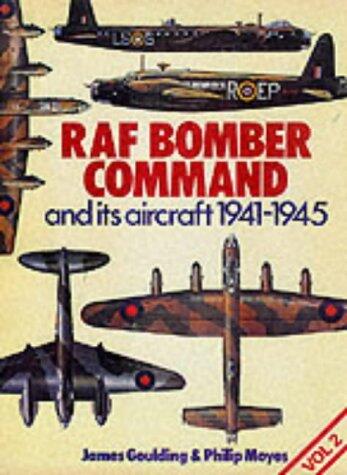
This captivating volume delves into the intricate history of Bomber Command during a pivotal phase of World War II, specifically from 1941 to 1945. It explores the strategic operations, challenges, and triumphs faced by the Royal Air Force as they executed crucial bombing campaigns throughout Europe. Through meticulous research, the authors illuminate the significant transformations in tactics and aircraft technology, showcasing the relentless spirit and determination of those involved.
The narrative is enriched with detailed accounts of the various aircraft that played a key role in these missions. From the iconic Lancaster to lesser-known models, each aircraft's design, capabilities, and operational history are presented with clarity. The authors provide a comparative analysis of how these machines evolved in response to the demands of warfare, highlighting innovations that made them central to the success of Bomber Command.
Beyond the mechanics and strategies, the book also gives voice to the brave men and women who served. Their stories reveal the human side of this relentless aerial campaign, capturing the courage, resilience, and sacrifice that characterized this era. Personal anecdotes and testimonies serve to connect readers with the real-life experiences of those who lived through the war.
By the end, the volume not only serves as a comprehensive historical account but also as a tribute to the legacy of Bomber Command in shaping the outcome of World War II. It stands as an essential resource for enthusiasts, historians, and anyone seeking to understand the complexities of aerial warfare during this tumultuous period.
The narrative is enriched with detailed accounts of the various aircraft that played a key role in these missions. From the iconic Lancaster to lesser-known models, each aircraft's design, capabilities, and operational history are presented with clarity. The authors provide a comparative analysis of how these machines evolved in response to the demands of warfare, highlighting innovations that made them central to the success of Bomber Command.
Beyond the mechanics and strategies, the book also gives voice to the brave men and women who served. Their stories reveal the human side of this relentless aerial campaign, capturing the courage, resilience, and sacrifice that characterized this era. Personal anecdotes and testimonies serve to connect readers with the real-life experiences of those who lived through the war.
By the end, the volume not only serves as a comprehensive historical account but also as a tribute to the legacy of Bomber Command in shaping the outcome of World War II. It stands as an essential resource for enthusiasts, historians, and anyone seeking to understand the complexities of aerial warfare during this tumultuous period.