

Opis
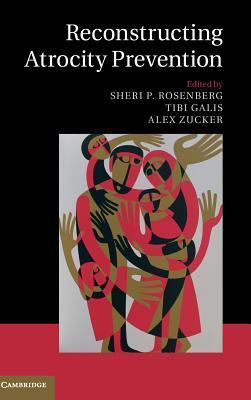
As global conflicts emerge and escalate, policy makers have increasingly recognized the urgent need for effective strategies to prevent atrocities. The authors delve into the complex landscape of international relations, examining the lessons learned from past humanitarian crises and the evolving frameworks designed to address them. They analyze critical debates around responsibility, intervention, and the moral imperatives that guide nations in their responses to impending disasters.
Through a comprehensive exploration of case studies and theoretical perspectives, the authors challenge conventional approaches to atrocity prevention. They advocate for a multifaceted strategy that not only prioritizes immediate response but also focuses on long-term solutions, drawing on insights from various disciplines. This thought-provoking work invites readers to reconsider the roles of governments, international organizations, and civil society in safeguarding human rights and fostering global resilience against future atrocities.
Through a comprehensive exploration of case studies and theoretical perspectives, the authors challenge conventional approaches to atrocity prevention. They advocate for a multifaceted strategy that not only prioritizes immediate response but also focuses on long-term solutions, drawing on insights from various disciplines. This thought-provoking work invites readers to reconsider the roles of governments, international organizations, and civil society in safeguarding human rights and fostering global resilience against future atrocities.
Szczegóły książki
Format
Twarda okładka
Strony
546 stron
Język
Angielski
Opublikowany
wrz 17, 2015
Wydawca
Cambridge University Press
Wydania
Wydania: 2
ISBN-10
1107094968
ISBN-13
9781107094963