

Opis
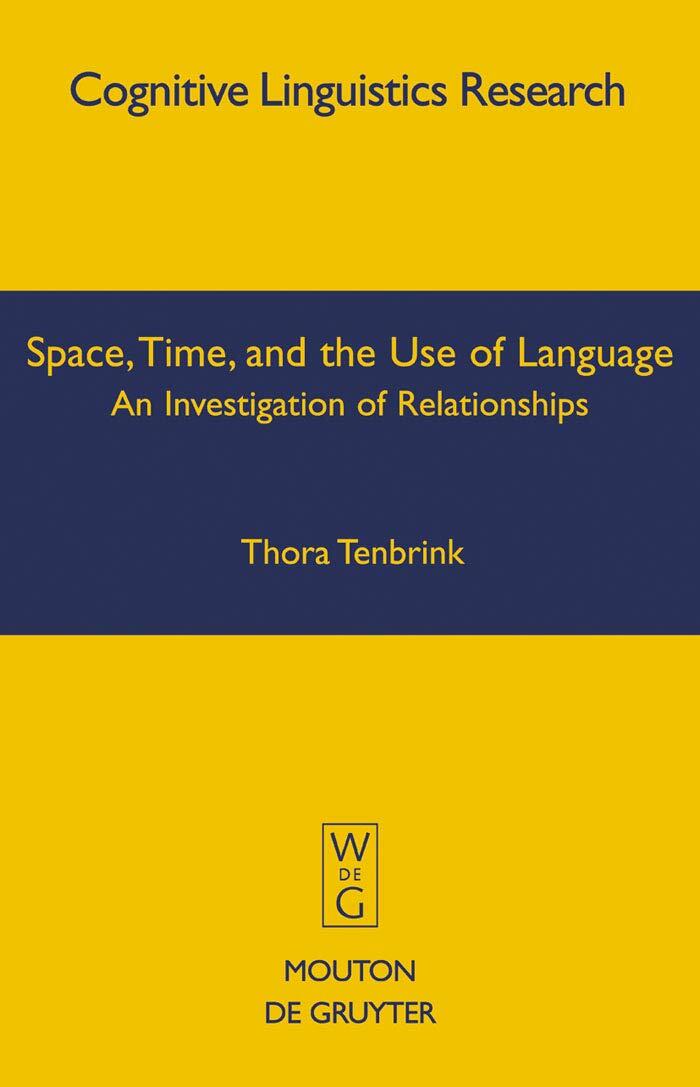
In an engaging exploration of linguistic relationships, Thora Tenbrink delves into the intricate connections between space, time, and language. The narrative challenges long-standing assumptions that temporal language is merely an offshoot of spatial constructs. Through thorough investigations and insightful analyses, Tenbrink encourages readers to reconsider the ways in which we interpret time through the framework of spatial understanding.
This work intricately weaves together cognitive science, linguistics, and philosophy, presenting a compelling case for the interplay between the dimensions of space and time in shaping linguistic expression. Tenbrink's research highlights not only the complexities of language but also the cognitive processes that influence how individuals perceive and articulate their experiences of time.
By presenting a variety of case studies and theoretical perspectives, the book invites readers to engage critically with the topic. It serves as a thought-provoking resource for linguists, cognitive scientists, and anyone interested in the profound nature of language and its fundamental role in human understanding.
This work intricately weaves together cognitive science, linguistics, and philosophy, presenting a compelling case for the interplay between the dimensions of space and time in shaping linguistic expression. Tenbrink's research highlights not only the complexities of language but also the cognitive processes that influence how individuals perceive and articulate their experiences of time.
By presenting a variety of case studies and theoretical perspectives, the book invites readers to engage critically with the topic. It serves as a thought-provoking resource for linguists, cognitive scientists, and anyone interested in the profound nature of language and its fundamental role in human understanding.
Szczegóły książki
Format
Kindle
Strony
348 stron
Język
Angielski
Opublikowany
Sep 25, 2008
Wydawca
De Gruyter Mouton
Wydania
3 editions