Opis
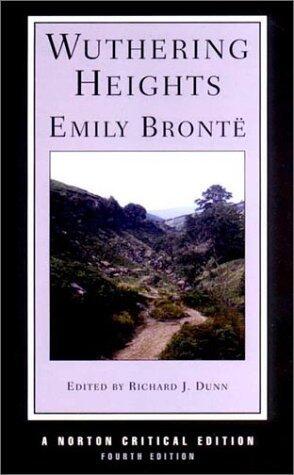
Emily Brontë's exploration of the darker aspects of human nature is vividly portrayed through the tumult of emotions that consume the characters. The narrative unfolds through an intricate structure, revealing the events via various perspectives, adding depth and intrigue to the tale. The atmospheric setting enhances the story, reflecting the characters’ inner turmoil and passion.
Themes of social class, isolation, and the struggle between nature and nurture resonate throughout the pages, drawing readers into a world where loyalty is often overshadowed by betrayal. Brontë's lyrical prose and deep characterizations invite contemplation on the complexities of love and the scars it can leave behind.
This edition, enhanced by contributions from Charlotte Brontë along with insightful notes and illustrations, serves to elevate the timeless quality of the narrative, ensuring its place as a pivotal work in the landscape of English literature. It's a story that leaves a lasting impression, forcing one to ponder the nature of love and the haunting echoes of the past.
Szczegóły książki
Gatunki
Recenzje
Zobacz wszystkie
Ta recenzja zawiera spoilery.
Wuthering Heights — Emily Brontë
I don't usually read romantic novels; in fact, I have a strong aversion to the genre. But I decided to make an exception for Wuthering Heights, partly because it is a Gothic novel, and partly because I had heard so much about its extraordinary power and the singular world created by an exceptionally gifted and distinctive writer.
I see it as a classic work that blends psychological realism with Gothic fiction, built around a multi-layered narrative structure and a setting of remarkable agency. At times, it approaches existential Gothic: the past does not disappear, identity is unstable, and death does not necessarily guarantee a complete severance. The setting is not merely a backdrop but an active force in shaping the world of the novel. I particularly enjoyed the different perspectives and multiple narrators; they lend the events a greater sense of realism and credibility, while giving the narrative several layers of perception and interpretation.
One of the aspects I appreciated most was the presence of nature, weather, and atmosphere. The moors, storms, and isolation are not simply devices for creating a Gothic mood; they intertwine with the characters' psychological states while retaining an autonomy and force of their own. I disagree with reducing nature to a mere reflection of the characters' inner lives. It seems to exist as a force in its own right, rather than simply serving as a mirror of human emotions. The setting, too, carries meanings beyond the characters' physical presence in it. It is bound up with memory, belonging, class, and death, almost as though it preserves everything that has passed through it and refuses to let it disappear entirely.
I also loved the presence of graves, death, and the buried body, as well as the way the past merges with the present until it becomes an enduring, dominating force. The past does not end when its events are over; it continues to shape the lives of the living, and the connection with those who have died persists in ways that transcend death itself. The inheritance of revenge and suffering across two generations also gives the tragedy a reach that extends beyond the lives of individual characters.
As for the characters, despite my strong dislike of them, they are constructed with considerable psychological depth and complexity. Heathcliff, in particular, is one of the characters I have hated most. He is vindictive and cruel, and I find little reason to sympathise with him, although he remains fascinating as a literary creation. I was never emotionally convinced by his relationship with Catherine, which I found excessive and frustrating. I don't believe someone like Heathcliff is capable of love, and I found Catherine selfish and immature, seemingly indifferent to the consequences of her actions. Nevertheless, I can appreciate the function of their relationship within the novel's structure and the consequences it sets in motion. Nor do I think the complexity of the characters is confined to the first generation; I found both generations equally compelling and cannot choose between them.
The ending felt appropriate and consistent with the world the novel had established, without erasing the devastation and tragedy that came before it, although I wasn't entirely convinced by Heathcliff's death.
Ultimately, I loved the novel for its Gothic and uncanny atmosphere, its carefully constructed narrative, its powerful use of setting, nature, and death, and Emily Brontë's prose, which I found concise and effective.
I prefer Emily's style and prose to Charlotte's. I am more drawn to Emily's economy of expression, whereas Charlotte, in my view, tends towards verbosity, excessive self-expression, and the imposition of a moral perspective on the reader. Emily allows her characters to reveal themselves through their words and actions, trusting the reader to form her own judgments rather than constantly directing what she should think or feel.
I did not necessarily like many of the characters in Wuthering Heights, nor was I convinced by all of their relationships, but that did not diminish my appreciation of their artistic construction. A very good novel, and one I can regard as a great, fully realised literary masterpiece in terms of its craftsmanship, even if it is not among the greatest works I have ever read.

Emily Brontë escreve um amor que está muito distante da ideia romântica tradicional. Heathcliff e Catherine vivem uma relação construída sobre obsessão, orgulho, ressentimento e desejo de posse. Não existem personagens verdadeiramente puros; todos carregam defeitos que os tornam profundamente humanos. A atmosfera gótica transforma a natureza em uma extensão dos sentimentos dos protagonistas. É um romance intenso justamente porque recusa idealizar o amor.

Cumbres Borrascosas no es una historia romántica. Es una historia de venganza, de discriminación y de cómo un grupo de personas poco confiables, pésimas y totalmente incapaces de asumir la responsabilidad de sus actos.Admiré profundamente la pluma de la autora. Llegué a odiar a Heathcliff hasta un punto imperdonable, y tampoco podía creer el nivel de autoengaño de Cathy ni su eterno papel de víctima.En fin, amé que toda esta tragedia la conozcamos simplemente porque Nelly le dio por ponerse a chismear con un visitante.