

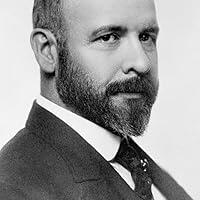
Louis H. Sullivan
Sobre o Autor
Louis H. Sullivan was an influential American architect, often referred to as the "father of skyscrapers" and the "father of modernism". He played a crucial role in the development of the Chicago School of Architecture and is best known for his innovative use of steel-frame construction and his philosophy of form following function. His designs emphasized the verticality of buildings, which became a hallmark of modern architecture. Sullivan's work is characterized by its elaborate ornamentation and the integration of decorative elements with structural forms, which set a precedent for future architectural practices.
One of Sullivan's most famous works is the Wainwright Building in St. Louis, Missouri, which is considered one of the first true skyscrapers. His ideas and designs significantly influenced the direction of architecture in the 20th century, impacting generations of architects. He was also a mentor to other prominent architects, including Frank Lloyd Wright, further extending his legacy within the field. Sullivan's writings, including "The Autobiography of an Idea," articulate his vision of architecture and continue to be studied by students and practitioners alike.