

Detalhes do Livro
Formato
Brochura
Páginas
92
Idioma
Inglês
Publicado
Jul 13, 2015
Editora
LAP LAMBERT Academic Publishing
Edição
1
ISBN-10
3659753025
ISBN-13
9783659753022
Descrição
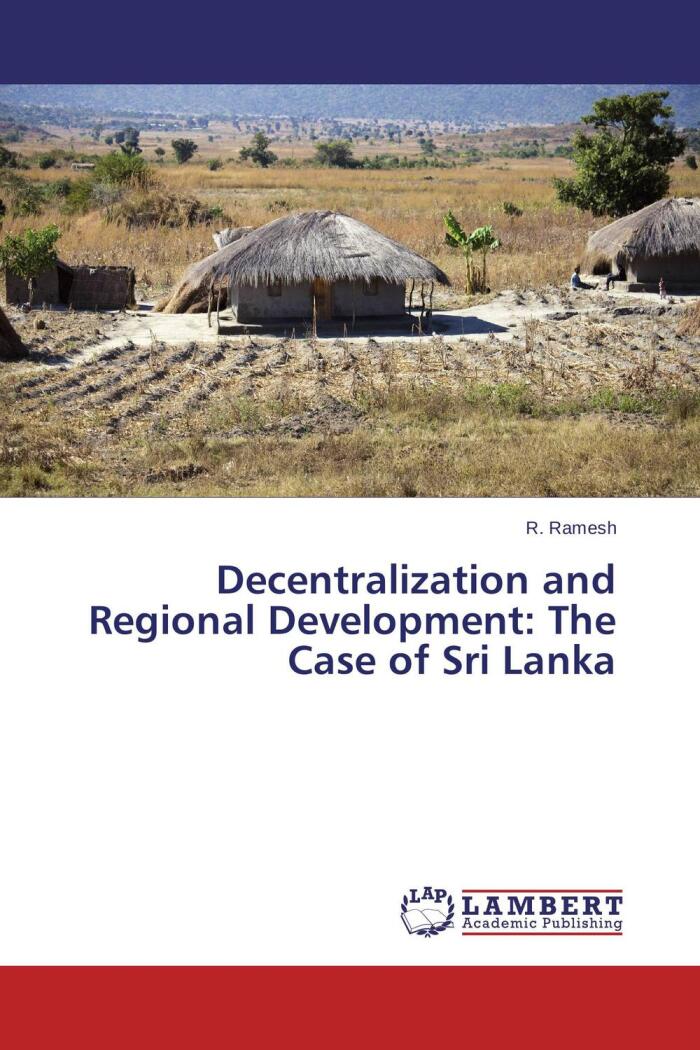
R. Ramesh explores the intricate relationship between decentralization and regional development in Sri Lanka, focusing on the island nation's political evolution since gaining independence in 1948. The author carefully dissects the various phases of governance and policy-making that have influenced regional disparities and developmental outcomes across different areas of the country. With a keen eye on historical context, Ramesh illuminates how centralization has shaped local inequities, prompting shifts toward decentralization in pursuit of more equitable growth.
Through a combination of empirical data, case studies, and theoretical frameworks, the book discusses the effectiveness and implications of decentralization efforts. Ramesh argues that while these strategies hold promise for empowering local communities and fostering economic growth, they can also present challenges related to governance, resource allocation, and political dynamics.
Ramesh's analysis delves into the complexities of local governance in Sri Lanka, highlighting successes and setbacks in efforts to balance power and promote regional development. The narrative invites readers to consider the broader implications of decentralization for democratic governance and sustainable development in post-colonial contexts.
Through a combination of empirical data, case studies, and theoretical frameworks, the book discusses the effectiveness and implications of decentralization efforts. Ramesh argues that while these strategies hold promise for empowering local communities and fostering economic growth, they can also present challenges related to governance, resource allocation, and political dynamics.
Ramesh's analysis delves into the complexities of local governance in Sri Lanka, highlighting successes and setbacks in efforts to balance power and promote regional development. The narrative invites readers to consider the broader implications of decentralization for democratic governance and sustainable development in post-colonial contexts.