

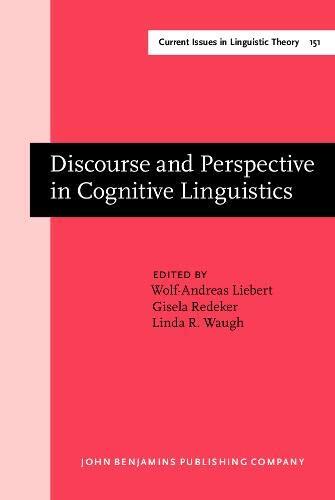
Descrição
This work delves into the intricate relationship between language and thought through the lenses of cognitive linguistics. By exploring how different cognitive models shape our understanding of discourse, the authors unravel the complexities of meaning-making processes. They examine how perspectives influence comprehension, revealing that language is not merely a tool for communication but a fundamental aspect of human cognition.
With contributions from esteemed scholars, this text invites readers to consider the dynamic interplay between language patterns and mental frameworks. It offers insights into how situated meaning emerges in context, encouraging a deeper appreciation for the cognitive underpinnings of linguistic structures. The authors present a compelling case for the importance of perspective in understanding language use across various contexts.
With contributions from esteemed scholars, this text invites readers to consider the dynamic interplay between language patterns and mental frameworks. It offers insights into how situated meaning emerges in context, encouraging a deeper appreciation for the cognitive underpinnings of linguistic structures. The authors present a compelling case for the importance of perspective in understanding language use across various contexts.
Detalhes do Livro
Formato
Capa dura
Páginas
286 páginas
Idioma
Inglês
Publicado
Dec 31, 1997
Editora
John Benjamins Publishing Company
Edições
2 edições
ISBN-10
9027236550
ISBN-13
9789027236555