

Descrição
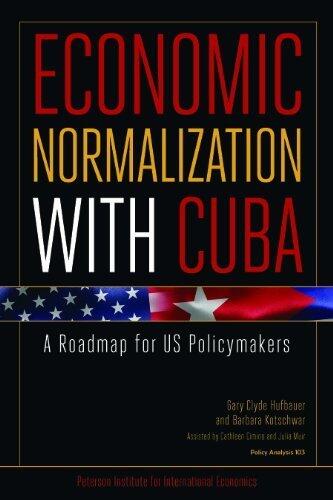
In a pivotal examination of US-Cuba relations, the authors explore the implications of the Obama administration's approach towards economic normalization. They delve into the complexities of re-establishing ties, highlighting potential benefits and challenges for both countries. Through thorough analysis, they propose a strategic roadmap for US policymakers, emphasizing the importance of pragmatic decision-making in navigating this evolving landscape.
The book provides insightful perspectives on trade, investment, and diplomatic relations, showcasing expert assessments of the necessary steps to foster robust economic interactions. It offers a comprehensive look at how improved relations could transform Cuba's economy while simultaneously benefiting the United States, laying the groundwork for mutually advantageous outcomes.
Written with clarity and depth, this work serves as a valuable resource for scholars, policymakers, and anyone interested in the dynamics of international economics. It underscores the significance of responsive diplomacy, advocating for a thoughtful approach to engagement that could redefine the future of US-Cuban relations.
The book provides insightful perspectives on trade, investment, and diplomatic relations, showcasing expert assessments of the necessary steps to foster robust economic interactions. It offers a comprehensive look at how improved relations could transform Cuba's economy while simultaneously benefiting the United States, laying the groundwork for mutually advantageous outcomes.
Written with clarity and depth, this work serves as a valuable resource for scholars, policymakers, and anyone interested in the dynamics of international economics. It underscores the significance of responsive diplomacy, advocating for a thoughtful approach to engagement that could redefine the future of US-Cuban relations.
Detalhes do Livro
Formato
Brochura
Idioma
Inglês
Editora
Institute for International Economics, U.S.