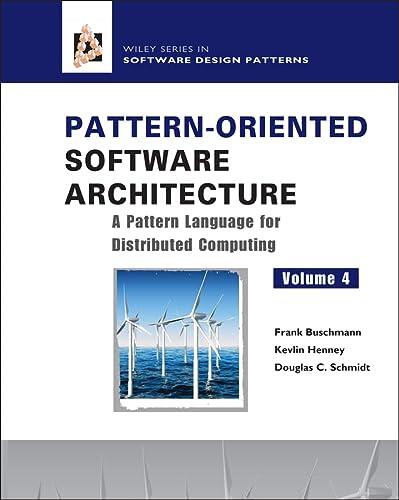
Detalhes do Livro
Formato
Kindle
Páginas
672
Idioma
Inglês
Publicado
Apr 19, 2013
Editora
Wiley
Descrição
In a world where software applications are increasingly required to handle complex interactions in both concurrent and networked settings, this book serves as a comprehensive guide for software architects and developers. The authors, who are seasoned experts in the field, explore the intricacies of designing robust application and middleware systems that can efficiently manage the demands of these sophisticated environments.
With a focus on practical patterns, the text delves into the architecture needed to enable scalability, resilience, and maintainability in software design. The insights provided are backed by real-world examples and case studies, illustrating how the patterns can be applied in various scenarios. This makes it not just theoretical, but a practical manual for those looking to enhance their software development skills.
Throughout its chapters, the book also emphasizes the importance of understanding the underlying principles of concurrent and networked operations. By doing so, it equips readers with the knowledge to foresee potential challenges and leverage best practices in their own projects.
Rich in content and approachable in style, it is an essential resource for anyone involved in creating software systems where the future of computing lies in collaboration and connectivity. Whether a novice or a seasoned professional, readers will find valuable insights that bridge the gap between traditional software architecture and the demands of modern computing environments.
With a focus on practical patterns, the text delves into the architecture needed to enable scalability, resilience, and maintainability in software design. The insights provided are backed by real-world examples and case studies, illustrating how the patterns can be applied in various scenarios. This makes it not just theoretical, but a practical manual for those looking to enhance their software development skills.
Throughout its chapters, the book also emphasizes the importance of understanding the underlying principles of concurrent and networked operations. By doing so, it equips readers with the knowledge to foresee potential challenges and leverage best practices in their own projects.
Rich in content and approachable in style, it is an essential resource for anyone involved in creating software systems where the future of computing lies in collaboration and connectivity. Whether a novice or a seasoned professional, readers will find valuable insights that bridge the gap between traditional software architecture and the demands of modern computing environments.