

Detalhes do Livro
Formato
Brochura
Páginas
176
Idioma
Inglês
Publicado
Dec 28, 1992
Editora
Prentice Hall
ISBN-10
0136823602
ISBN-13
9780136823605
Descrição
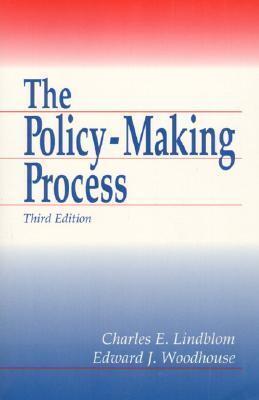
Charles E. Lindblom and Edward J. Woodhouse present a thought-provoking examination of the policy-making process, shining a light on the often-overlooked influence of ordinary citizens. They argue that the conventional belief that policy decisions are the exclusive domain of political elites is misguided. Instead, they delve into the ways that grassroots movements and public engagement shape outcomes, making a compelling case for the democratization of policy-making.
The authors explore various dimensions of how policies are crafted and implemented, encouraging readers to consider the broader societal impacts of their participation in the political landscape. Through detailed analysis and real-world examples, they illustrate the complexities involved in balancing expert knowledge with public opinion, highlighting the tensions that arise in a diverse society.
By inviting ordinary citizens to take an active role, the book champions a more inclusive approach to policy-making. It underscores the power of collective action and informed discourse in challenging existing paradigms, ultimately advocating for a system that better reflects the needs and values of the public.
Lindblom and Woodhouse's insights offer a refreshing perspective on government and civic engagement, making this work essential for anyone interested in understanding how policies affect daily life and how individuals can contribute to meaningful change within their communities.
The authors explore various dimensions of how policies are crafted and implemented, encouraging readers to consider the broader societal impacts of their participation in the political landscape. Through detailed analysis and real-world examples, they illustrate the complexities involved in balancing expert knowledge with public opinion, highlighting the tensions that arise in a diverse society.
By inviting ordinary citizens to take an active role, the book champions a more inclusive approach to policy-making. It underscores the power of collective action and informed discourse in challenging existing paradigms, ultimately advocating for a system that better reflects the needs and values of the public.
Lindblom and Woodhouse's insights offer a refreshing perspective on government and civic engagement, making this work essential for anyone interested in understanding how policies affect daily life and how individuals can contribute to meaningful change within their communities.