

Descrição
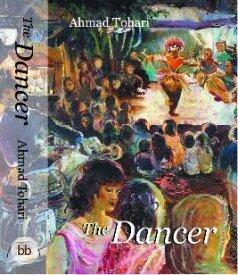
In the mid-1960s, a village community grapples with upheaval and transformation. Amidst the backdrop of political strife and social change, residents face both external pressures and internal conflicts that threaten their way of life. The story unfolds through the eyes of a dancer, whose graceful movements serve as a poignant metaphor for resilience and the human spirit’s ability to endure in challenging times.
The dancer becomes a symbol of hope and unity within the village, inspiring those around her to find strength in their shared heritage. Her performances reflect not only beauty but also the struggles of her people, weaving together their stories of love, loss, and aspiration. Through her art, she seeks to bridge divides and foster a sense of community, even as tensions rise.
As the narrative weaves between personal triumphs and societal challenges, it invites readers to reflect on the power of creativity in the face of adversity. The story captures the essence of a time marked by uncertainty, highlighting how art can illuminate the darkest corners of the human experience.
The dancer becomes a symbol of hope and unity within the village, inspiring those around her to find strength in their shared heritage. Her performances reflect not only beauty but also the struggles of her people, weaving together their stories of love, loss, and aspiration. Through her art, she seeks to bridge divides and foster a sense of community, even as tensions rise.
As the narrative weaves between personal triumphs and societal challenges, it invites readers to reflect on the power of creativity in the face of adversity. The story captures the essence of a time marked by uncertainty, highlighting how art can illuminate the darkest corners of the human experience.
Detalhes do Livro
Formato
Brochura
Páginas
470 páginas
Idioma
Inglês
Publicado
Jan 1, 2003
Editora
The Lontar Foundation
Edições
3 editions