Descrição
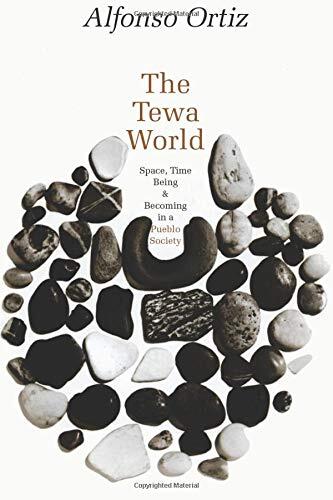
Alfonso Ortiz delves into the intricate tapestry of Tewa culture, offering readers a profound exploration of their societal structure, beliefs, and the nuanced relationship they maintain with time and space. The work paints a vivid picture of Pueblo society, emanating warmth and depth that reflects the vibrancy of its people and traditions.
By examining customs and communal practices, the author highlights how the Tewa navigate their world, intertwining spirituality and everyday life in ways that shape their identity. Through a careful analysis, Ortiz reveals the underlying philosophies that govern the Tewa's understanding of existence and their connection to the universe.
Rich in detail, the narrative invites readers to appreciate the subtleties of Tewa life, from rituals to collective memory, underscoring the importance of community in their worldview. The text serves not only as an academic resource but also as a window into the richness of human experience, resonating well beyond the confines of anthropological study.
This exploration captures the essence of being and becoming within the Tewa world, encouraging readers to reflect on their own perceptions of space, time, and cultural identity. The richness of Ortiz's observations makes the book an invaluable contribution to the understanding of indigenous societies and their enduring legacies.
By examining customs and communal practices, the author highlights how the Tewa navigate their world, intertwining spirituality and everyday life in ways that shape their identity. Through a careful analysis, Ortiz reveals the underlying philosophies that govern the Tewa's understanding of existence and their connection to the universe.
Rich in detail, the narrative invites readers to appreciate the subtleties of Tewa life, from rituals to collective memory, underscoring the importance of community in their worldview. The text serves not only as an academic resource but also as a window into the richness of human experience, resonating well beyond the confines of anthropological study.
This exploration captures the essence of being and becoming within the Tewa world, encouraging readers to reflect on their own perceptions of space, time, and cultural identity. The richness of Ortiz's observations makes the book an invaluable contribution to the understanding of indigenous societies and their enduring legacies.
Detalhes do Livro
Formato
Brochura
Páginas
216 páginas
Idioma
Inglês
Publicado
Feb 15, 1972
Editora
University of Chicago Press
Edição
First Edition
ISBN-10
0226633071
ISBN-13
9780226633077
Gêneros
Ciência e Tecnologia