Descrição
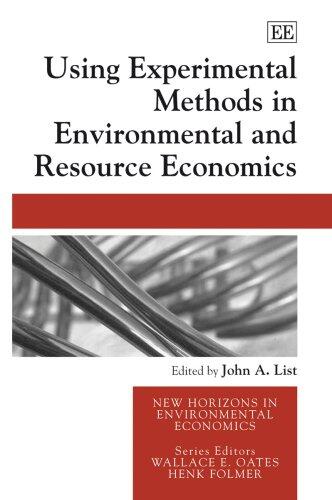
John A. List delves into the innovative methods at the crossroads of experimental and environmental economics, providing insights that are both timely and essential. He emphasizes the importance of incorporating experimental techniques into environmental studies, showcasing how these methods can unveil intricacies often overlooked by traditional approaches. The book serves as a vital resource for scholars and practitioners seeking to understand the complexities of resource allocation and environmental behavior.
Through a series of illuminating examples and case studies, List highlights the practical implications of experimental economics in real-world settings. He discusses how these experimental methods can inform policy decisions, enhance our understanding of human behavior toward environmental resources, and foster more effective solutions to ecological challenges. Readers are encouraged to appreciate the dynamic relationship between economic incentives and environmental outcomes.
The author skillfully bridges theoretical frameworks with empirical evidence, making the material accessible yet intellectually rigorous. By elaborating on the nuances of experimental design and analysis, List empowers readers to critically engage with the evolving field of environmental economics. This exploration not only enhances academic discourse but also equips practitioners with the tools necessary to address urgent environmental issues.
Overall, the work is a pivotal contribution to the fields of both environmental and resource economics. It inspires a rethinking of conventional approaches, urging experts and students alike to embrace experimental methods as a means of fostering sustainable resource management. In doing so, List underscores the significant role of economics in shaping a more sustainable interaction between humanity and nature.
Through a series of illuminating examples and case studies, List highlights the practical implications of experimental economics in real-world settings. He discusses how these experimental methods can inform policy decisions, enhance our understanding of human behavior toward environmental resources, and foster more effective solutions to ecological challenges. Readers are encouraged to appreciate the dynamic relationship between economic incentives and environmental outcomes.
The author skillfully bridges theoretical frameworks with empirical evidence, making the material accessible yet intellectually rigorous. By elaborating on the nuances of experimental design and analysis, List empowers readers to critically engage with the evolving field of environmental economics. This exploration not only enhances academic discourse but also equips practitioners with the tools necessary to address urgent environmental issues.
Overall, the work is a pivotal contribution to the fields of both environmental and resource economics. It inspires a rethinking of conventional approaches, urging experts and students alike to embrace experimental methods as a means of fostering sustainable resource management. In doing so, List underscores the significant role of economics in shaping a more sustainable interaction between humanity and nature.
Detalhes do Livro
Formato
Capa dura
Páginas
200 páginas
Idioma
Inglês
Publicado
fev 21, 2007
Editora
Edward Elgar Publishing
ISBN-10
1845428552
ISBN-13
9781845428556