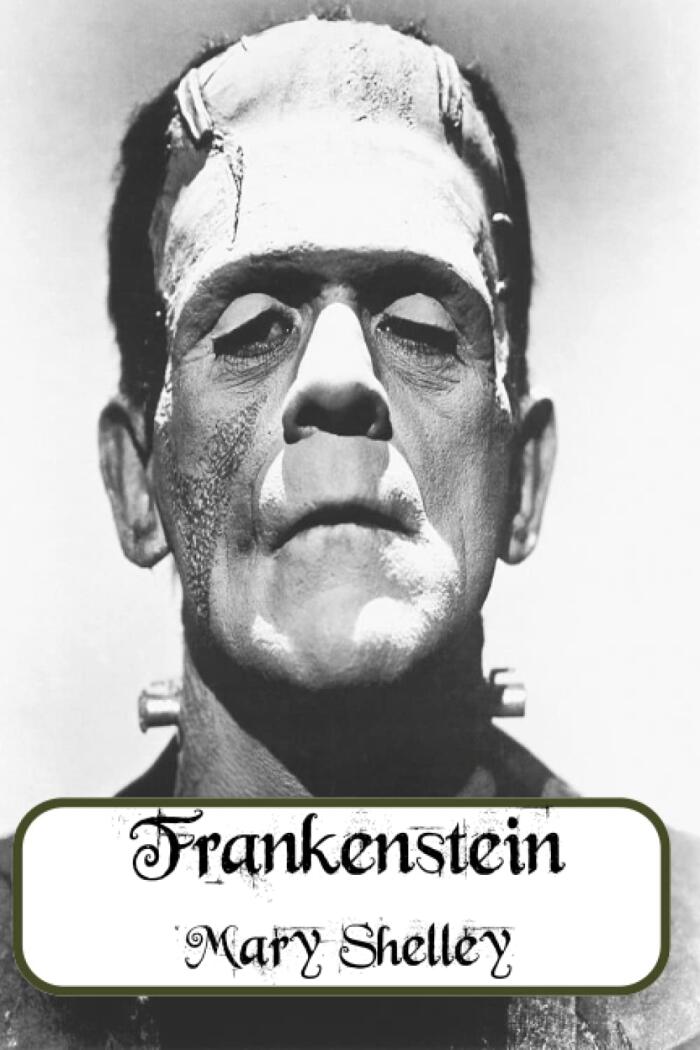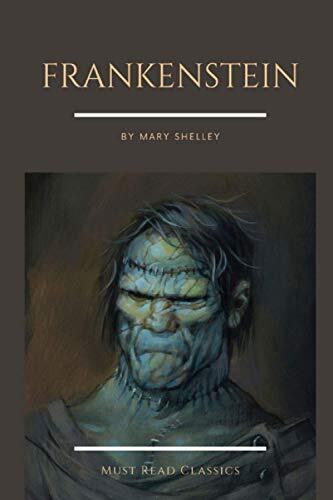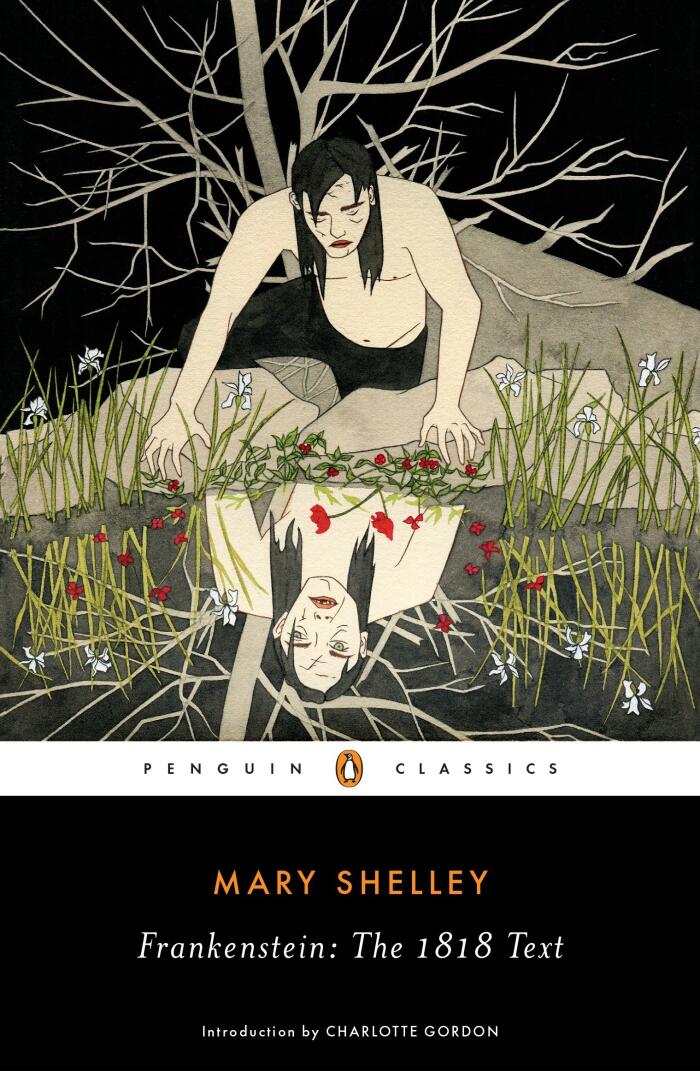
Описание
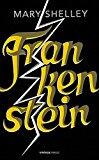
Set in a world of scientific ambition and moral ambiguity, the story unfolds through the eyes of Victor Frankenstein, a brilliant but troubled scientist who becomes consumed by his quest to transcend human limitations. Driven by the desire to unlock the secrets of life, he creates a being from salvaged body parts, only to be horrified by the consequences of his actions. The creature, born of repulsion and rejection, seeks acceptance and understanding while grappling with its own existence and the dark shadows of humanity.
As the tale progresses, themes of isolation, power, and the quest for knowledge emerge, forcing both creator and creation into a tragic confrontation. Mary Shelley's exploration of the human condition illustrates the profound consequences of playing god, as the boundaries between creator and creature blur, leading to an inevitable spiral of destruction. In a gothic atmosphere, the novel challenges readers to consider ethical dilemmas in the pursuit of scientific progress.
As the tale progresses, themes of isolation, power, and the quest for knowledge emerge, forcing both creator and creation into a tragic confrontation. Mary Shelley's exploration of the human condition illustrates the profound consequences of playing god, as the boundaries between creator and creature blur, leading to an inevitable spiral of destruction. In a gothic atmosphere, the novel challenges readers to consider ethical dilemmas in the pursuit of scientific progress.
Детали книги
Формат
Мягкая обложка
Страницы
232 страниц
Язык
Английский
Опубликовано
янв 1, 2015
Издатель
RANDOM HOUSE UK
Издание
Reprint
Издания
Изданий: 1620
ISBN-10
0099593920
ISBN-13
9780099593928
Жанры
Романтика
Детектив
Научная фантастика
Антиутопия
Триллер и напряжение
Молодежная литература
Детская литература
Биография
Экшен и приключения
Автобиография и мемуары
Саморазвитие
Религия и духовность
Наука и технологии
История
Ужасы
Юмор
Бизнес и экономика
Философия
Фэнтези
Манга
Графические романы
Поэзия
Кулинарные книги
Путешествия
Здоровье и благополучие
Искусство и фотография
Криминал
Классика
Современная литература
Паранормальное
Политика
Природа
Психология
Обзоры
Посмотреть все

É impressionante pensar que este romance foi escrito por uma jovem de apenas dezoito anos. Shelley utiliza o horror não para assustar, mas para discutir responsabilidade, ambição e solidão. O verdadeiro monstro nunca é apenas a criatura, mas também o homem incapaz de assumir as consequências de seus próprios atos. A escrita mantém um tom melancólico que acompanha toda a narrativa, fazendo do livro muito mais uma tragédia do que uma história de terror. É um clássico que continua relevante sempre que a ciência avança mais rápido do que a ética.
August 2nd 2026

The tragedy of the monster and the wretchedness of the man.
July 18th 2026