

Детали книги
Формат
Твердый переплет
Страницы
320
Язык
Английский
Опубликовано
Sep 30, 2008
Издатель
The Monacelli Press
Издание
Illustrated
ISBN-10
158093210X
ISBN-13
9781580932103
Описание
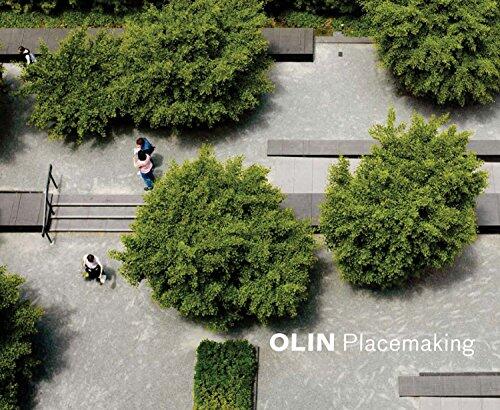
In a world increasingly focused on sustainability and environmental consciousness, the role of landscape architects has evolved dramatically; they are now at the forefront of placemaking. This book showcases their innovative approaches to creating spaces that harmonize with nature while meeting community needs. It illustrates how thoughtful design can enhance urban landscapes, transforming them into vibrant, functional areas.
With insights from accomplished professionals in the field, the narrative emphasizes the essential collaboration between landscapes and communities. It explores how these architects integrate ecological practices into their designs, ensuring that each space reflects a deep respect for the surrounding environment. Readers are invited to understand how such principles can lead to healthier ecosystems and increased community well-being.
Through a series of case studies and illustrative examples, the authors highlight successful projects that prioritize both aesthetic appeal and environmental integrity. The result is a rich tapestry of ideas and strategies for creating thriving, sustainable environments that resonate with the public.
Ultimately, this work serves as a vital resource for anyone interested in the intersections of landscape architecture, sustainability, and community development. It inspires a deeper understanding of placemaking as a vital discipline that shapes the places where people live, work, and connect.
With insights from accomplished professionals in the field, the narrative emphasizes the essential collaboration between landscapes and communities. It explores how these architects integrate ecological practices into their designs, ensuring that each space reflects a deep respect for the surrounding environment. Readers are invited to understand how such principles can lead to healthier ecosystems and increased community well-being.
Through a series of case studies and illustrative examples, the authors highlight successful projects that prioritize both aesthetic appeal and environmental integrity. The result is a rich tapestry of ideas and strategies for creating thriving, sustainable environments that resonate with the public.
Ultimately, this work serves as a vital resource for anyone interested in the intersections of landscape architecture, sustainability, and community development. It inspires a deeper understanding of placemaking as a vital discipline that shapes the places where people live, work, and connect.
Жанры
Философия
Искусство и фотография