

Описание
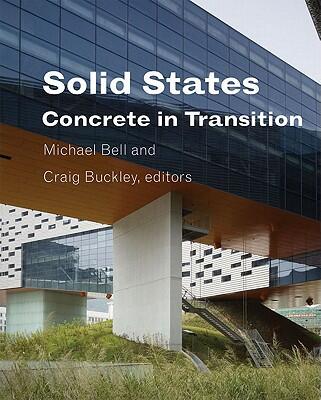
In the world of architecture and urban development, concrete serves as both a canvas and a construct, shaping modern landscapes while reflecting evolving societal values. The authors dive deep into the multifaceted nature of concrete, exploring its role through the lens of historical context, technological advances, and environmental ramifications. Their insightful examination brings to light how this material is not merely a fixture of the built environment but a dynamic player in the ongoing dialogue about sustainability and resilience in architecture.
As they navigate the intricate relationship between concrete and its uses, the authors present compelling case studies and innovative projects that showcase the material's versatility. From its traditional applications to contemporary adaptations that challenge the status quo, the narrative illuminates the potential of concrete to contribute to more sustainable and aesthetically pleasing urban spaces. Throughout the discussion, the dualities of permanence and transience in concrete's properties become a focal point, prompting readers to reconsider how we construct and inhabit our environments.
Ultimately, this exploration offers a fresh perspective on a seemingly unremarkable material, revealing its profound impact on architectural practice and urban planning. By situating concrete within broader discussions of architecture, engineering, and environmental responsibility, the authors inspire a reevaluation of its role in shaping the future of our cities and communities.
As they navigate the intricate relationship between concrete and its uses, the authors present compelling case studies and innovative projects that showcase the material's versatility. From its traditional applications to contemporary adaptations that challenge the status quo, the narrative illuminates the potential of concrete to contribute to more sustainable and aesthetically pleasing urban spaces. Throughout the discussion, the dualities of permanence and transience in concrete's properties become a focal point, prompting readers to reconsider how we construct and inhabit our environments.
Ultimately, this exploration offers a fresh perspective on a seemingly unremarkable material, revealing its profound impact on architectural practice and urban planning. By situating concrete within broader discussions of architecture, engineering, and environmental responsibility, the authors inspire a reevaluation of its role in shaping the future of our cities and communities.
Детали книги
Формат
Твердый переплет
Страницы
280 страниц
Язык
Английский
Опубликовано
Dec 1, 2010
Издатель
Princeton Architectural Press
Издание
HAR/DVD
ISBN-10
1568988958
ISBN-13
9781568988955