

Bokdetaljer
Format
Inbunden
Sidor
176
Språk
Engelska
Publicerad
Jan 1, 1971
Förlag
Longman
ISBN-10
0582127920
ISBN-13
9780582127920
Beskrivning
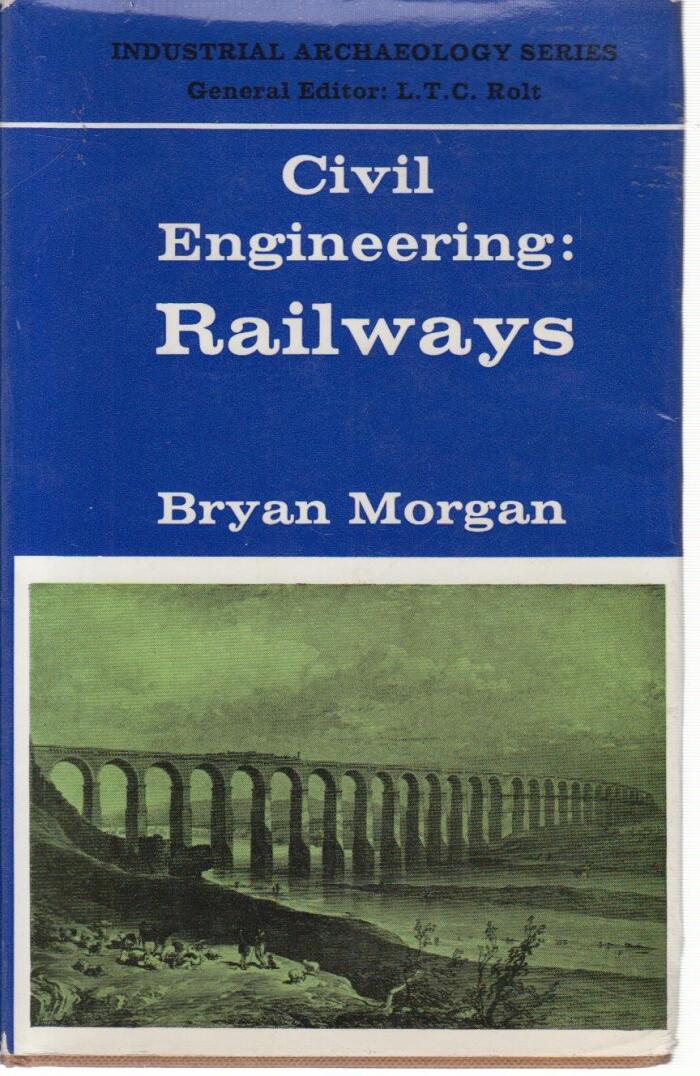
Bryan Morgan's exploration of civil engineering within the context of railways offers an insightful look into the complexities of this vital infrastructure. As rail networks continue to evolve, Morgan delves into the historical and contemporary developments that shape railway systems, highlighting innovations that enhance efficiency and safety. His expertise guides readers through the foundational principles of rail design, construction, and maintenance, showcasing the intricate balance between engineering challenges and practical applications.
Through meticulous research and engaging narratives, the book provides a comprehensive overview of the technologies and methodologies employed in railway engineering. Readers gain an understanding of how environmental considerations, urban planning, and technological advancements intersect to create the railways of tomorrow. Morgan’s clear explanations and examples from real-world projects enrich the reader's perspective on the endless possibilities that civil engineering offers in the rail industry.
Ultimately, Morgan’s work serves not only as an educational resource for aspiring engineers but also as a compelling history of the railway's evolution. It reflects on how these achievements have connected communities and transformed economies, underlining the enduring significance of railways in contemporary society.
Through meticulous research and engaging narratives, the book provides a comprehensive overview of the technologies and methodologies employed in railway engineering. Readers gain an understanding of how environmental considerations, urban planning, and technological advancements intersect to create the railways of tomorrow. Morgan’s clear explanations and examples from real-world projects enrich the reader's perspective on the endless possibilities that civil engineering offers in the rail industry.
Ultimately, Morgan’s work serves not only as an educational resource for aspiring engineers but also as a compelling history of the railway's evolution. It reflects on how these achievements have connected communities and transformed economies, underlining the enduring significance of railways in contemporary society.