

描述
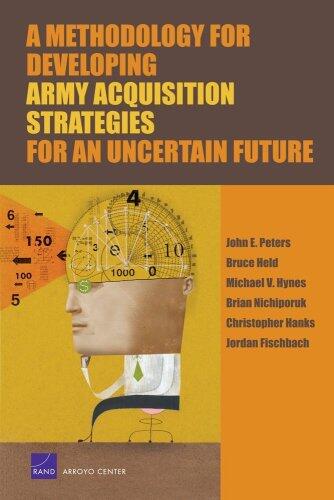
In a rapidly evolving global landscape, military acquisition strategies must adapt to an uncertain future. This monograph presents a novel approach utilizing assumption-based planning, a methodology refined by RAND researchers, tailored specifically for Army procurement needs. The authors delve into the complexities of developing robust strategies that can withstand unpredictable challenges and technological advancements.
Through systematic analysis, the work explores how this innovative tool can aid Army personnel in anticipating potential risks and opportunities. By encouraging decision-makers to confront their assumptions, the methodology empowers them to devise strategies grounded in realism and flexibility. This proactive framework not only enhances current planning processes but also prepares the Army for unforeseen contingencies.
The collaborative efforts of the authors, who bring diverse expertise from various sectors, provide a rich foundation for their recommendations. Their insights highlight the necessity for a paradigm shift in how military organizations approach acquisition, emphasizing adaptability in a multifaceted environment.
Ultimately, this monograph serves as a critical resource for Army leaders aiming to navigate the complexities of future threats while ensuring that their strategic choices are resilient and impactful. It invites a rethinking of traditional procurement methods, positioning the Army to better respond to the unpredictable dynamics of warfare and peacekeeping in the 21st century.
Through systematic analysis, the work explores how this innovative tool can aid Army personnel in anticipating potential risks and opportunities. By encouraging decision-makers to confront their assumptions, the methodology empowers them to devise strategies grounded in realism and flexibility. This proactive framework not only enhances current planning processes but also prepares the Army for unforeseen contingencies.
The collaborative efforts of the authors, who bring diverse expertise from various sectors, provide a rich foundation for their recommendations. Their insights highlight the necessity for a paradigm shift in how military organizations approach acquisition, emphasizing adaptability in a multifaceted environment.
Ultimately, this monograph serves as a critical resource for Army leaders aiming to navigate the complexities of future threats while ensuring that their strategic choices are resilient and impactful. It invites a rethinking of traditional procurement methods, positioning the Army to better respond to the unpredictable dynamics of warfare and peacekeeping in the 21st century.
书籍详情
格式
平装书
页数
166 页
语言
英语
已发布
3月 1, 2007
出版商
RAND Corporation
版本
Illustrated
ISBN-10
0833040480
ISBN-13
9780833040480