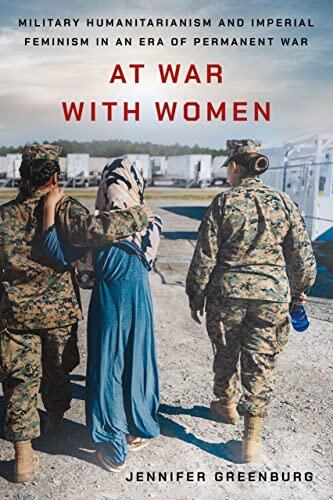
At War with Women: Military Humanitarianism and Imperial Feminism in an Era of Permanent War
还没有评分
Action & Adventure
History
格式
Kindle
页数
288
语言
英语
已发布
Jan 1, 2023
出版商
Cornell University Press
版本
1
ISBN-10
1501767763
ISBN-13
9781501767760
描述
In a thought-provoking analysis, Jennifer Greenburg examines the intersection of military operations and feminist ideals in the context of post-9/11 geopolitics. The narrative unfolds the complex dynamics of how humanitarian efforts intersect with military agendas, revealing a nuanced critique of what she terms "imperial feminism." This concept sheds light on the often contradictory roles that gender and development play in the landscape of modern warfare.
Greenburg highlights how the rhetoric of women's empowerment is frequently employed to justify military interventions, questioning the motivations behind such narratives. The exploration of humanitarian initiatives presented as tools for progress raises critical inquiries about authenticity and the true beneficiaries of these actions. Through detailed case studies, the author dissects the consequences of blending military objectives with the discourse of gender equality, challenging readers to reconsider their understanding of humanitarianism.
Ultimately, the work serves as a catalyst for discussion surrounding the ethics of interventionist policies, urging a reevaluation of the frameworks through which societies perceive both women and warfare in an era marked by ongoing conflict. Greenburg's insightful critique seeks to illuminate the complexities and contradictions that underpin contemporary military-humanitarian efforts.
Greenburg highlights how the rhetoric of women's empowerment is frequently employed to justify military interventions, questioning the motivations behind such narratives. The exploration of humanitarian initiatives presented as tools for progress raises critical inquiries about authenticity and the true beneficiaries of these actions. Through detailed case studies, the author dissects the consequences of blending military objectives with the discourse of gender equality, challenging readers to reconsider their understanding of humanitarianism.
Ultimately, the work serves as a catalyst for discussion surrounding the ethics of interventionist policies, urging a reevaluation of the frameworks through which societies perceive both women and warfare in an era marked by ongoing conflict. Greenburg's insightful critique seeks to illuminate the complexities and contradictions that underpin contemporary military-humanitarian efforts.