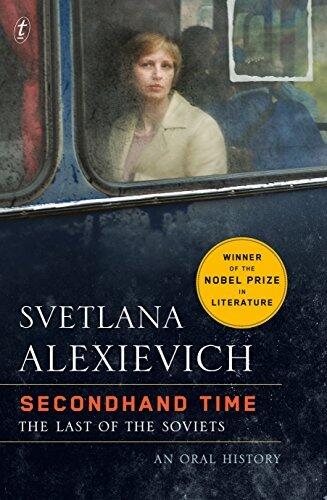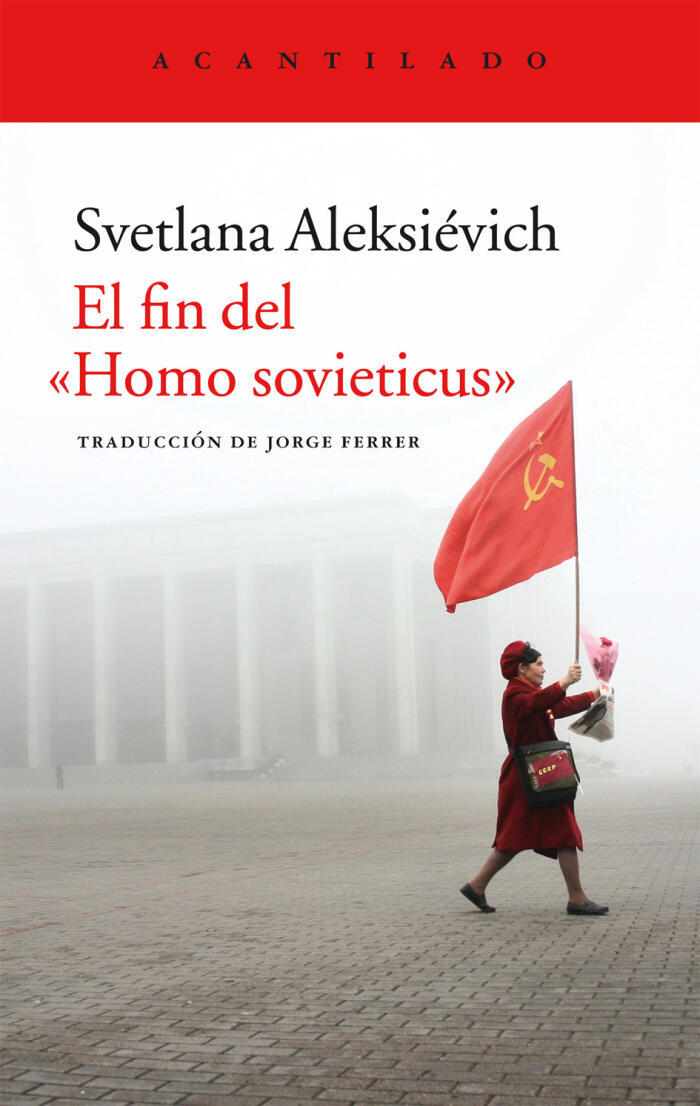
El fin del «Homo sovieticus»
还没有评分
History
格式
平装书
页数
656
语言
西班牙语
已发布
Dec 9, 2015
出版商
Acantilado
ISBN-10
8416011842
ISBN-13
9788416011841
描述
Svetlana Alexievich embarks on a profound journey to preserve the memories of a bygone era through her interviews with individuals who once embodied the essence of Soviet life. With just a tape recorder and a pen, she meticulously captures the haunting narratives of those who lived through the tumultuous period of the Soviet Union's dissolution. This exploration delves deep into the psyche of a society grappling with identity and loss as it navigates the complexities of transitioning from a totalitarian regime to newfound freedom.
In her unique style, Alexievich weaves together the voices of ordinary people, from factory workers to intellectuals, as they recount their experiences, fears, and aspirations. Each narrative serves as a testament to the human spirit and the resilience of those who faced dramatic societal changes. Their stories reflect a profound sense of nostalgia, woven with threads of hope and despair.
As the echoes of the past intertwine with the present, the book becomes a poignant reflection on what it means to be human in a world that is constantly evolving. Alexievich’s compelling prose captures the essence of a lost generation, while also fostering an understanding of the complex emotions surrounding the collapse of an empire. Through these intimate accounts, she invites readers to contemplate the very fabric of identity and belonging in a rapidly changing landscape.
Ultimately, this work serves not only as a historical document but as a reminder of the enduring power of storytelling. It compels readers to consider how the legacies of the past shape our present and future, urging a deeper reflection on the lessons learned from a time of colossal upheaval and transformation.
In her unique style, Alexievich weaves together the voices of ordinary people, from factory workers to intellectuals, as they recount their experiences, fears, and aspirations. Each narrative serves as a testament to the human spirit and the resilience of those who faced dramatic societal changes. Their stories reflect a profound sense of nostalgia, woven with threads of hope and despair.
As the echoes of the past intertwine with the present, the book becomes a poignant reflection on what it means to be human in a world that is constantly evolving. Alexievich’s compelling prose captures the essence of a lost generation, while also fostering an understanding of the complex emotions surrounding the collapse of an empire. Through these intimate accounts, she invites readers to contemplate the very fabric of identity and belonging in a rapidly changing landscape.
Ultimately, this work serves not only as a historical document but as a reminder of the enduring power of storytelling. It compels readers to consider how the legacies of the past shape our present and future, urging a deeper reflection on the lessons learned from a time of colossal upheaval and transformation.

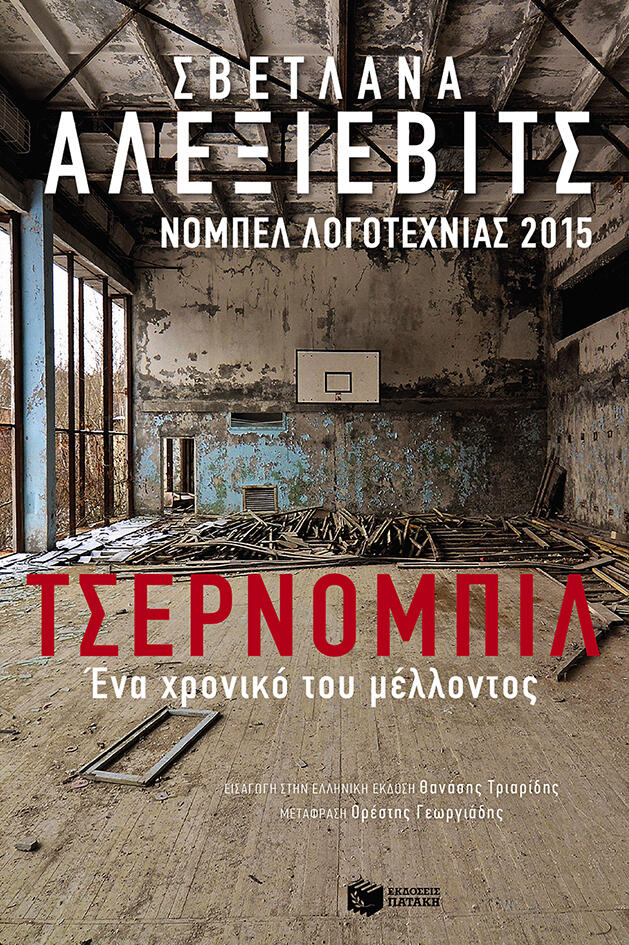
![Voces de Chernóbil [Voices from Chernobyl]: Crónica del futuro [Chronicle of the Future]](https://images.bookpine.com/12628b4f-a18a-4f18-a7c8-64c847eb7d51.jpg)