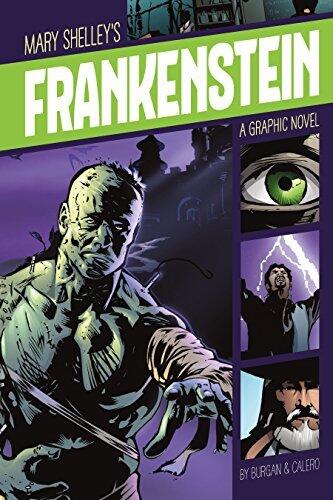
描述
With thoughtfully crafted illustrations accompanying the narrative, each page captures pivotal moments, enriching the experience and sparking curiosity. Readers are invited to explore profound questions about humanity, compassion, and the consequences of ambition, all conveyed through a lens appropriate for children. The engaging prose simplifies complex ideas without losing the essence of the original message.
As they delve into the world of Victor and his creature, children will gain insights into the importance of empathy and moral choices. The adaptation encourages discussions about personal responsibility and the quest for understanding, making it an ideal choice for both individual reading and family conversation. With its beautiful artistry and captivating storytelling, this edition promises to leave a lasting impression on young minds, igniting their imaginations.
书籍详情
类型
评论
查看全部

Mary Shelley's chilling Gothic tale was conceived when she was only eighteen, living with her lover Percy Shelley on Lake Geneva.
El libro plantea temas profundos como la ética científica, que tan lejos es capaz de llegar el ser humano con tal de conseguir sus objetivos, lo inhumanos que podemos llegar a ser, la vida, la muerte y la naturaleza humana.En cuanto a Victor Frankenstein, era un joven algo egocentrico que jugo a ser Dios y cuando le da vida al monstruo, simplemente huye. Personalmente considero que el monstruo era muchísimo más humano que su creador, pero el rechazo y aislamiento que sufre por parte del mundo lo llevan a llenarse de odio. Lo otro que me sorprende es cómo el mounstruo es capaz de aprender a hablar, a expresarse y a leer sin que nadie le enseñara,Me sorprendió lo diferente que es la novela en comparación con las películas o dibujos animados (es demasiada la diferencia) y éstas no le hacen honra a esta obra maestra. Me gustó la escritura de Mary Shelley por su fluidez, riqueza de palabras, llena de matices fantasticos entremezclados con la realidad y antiguedad, que le da un toque apasionado.En resumen, el libro me encantó y pasó a mis favoritos, por lo que lo recomiendo a todos las personas que quieran iniciarse en el terror, en la ciencia ficcion o simplemente en la lectura. Puntuación: 5/5