

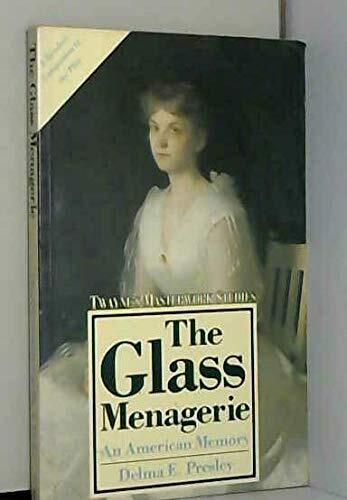
Glass Menagerie: An American Memory
还没有评分
格式
平装书
页数
117
语言
英语
已发布
Jan 1, 1990
出版商
Twayne Pub
版本
large type edition
ISBN-10
0805781277
ISBN-13
9780805781274
描述
Delma E. Presley's analysis delves into the profound impact of Tennessee Williams' "The Glass Menagerie," highlighting its enduring relevance in American theater. The examination of the play is nestled within a broader historical framework, tracing the influences that shaped its creation while elucidating the social and personal struggles of its characters. Through meticulous research, Presley paints a vivid picture of the societal backdrop against which Williams wrote, illustrating how these elements resonate with audiences even today.
Presley also addresses the critical reception of the play since its debut, showcasing the varied interpretations and emotional responses it inspired over the decades. This discussion not only reflects on the perceptions of audiences and scholars alike but also situates Williams within the pantheon of American playwrights. The work becomes a lens for understanding not just the artistry of the play, but also its capacity to evoke memory and emotion.
In exploring the themes of illusion versus reality, familial bonds, and the delicate fragility of human connections, the author invites readers to ponder the deeper meanings embedded within Williams' celebrated work. This exploration of memory and experience reveals how "The Glass Menagerie" serves as a poignant reflection of both individual and collective aspirations.
Ultimately, this study offers a thoughtful reconsideration of Williams' legacy, illustrating how his work captivates the imagination and speaks to the hearts of those who encounter it. Through Presley's insights, one gains a clearer appreciation of the richness and complexity of "The Glass Menagerie," ensuring its place as a timeless piece of American literature.
Presley also addresses the critical reception of the play since its debut, showcasing the varied interpretations and emotional responses it inspired over the decades. This discussion not only reflects on the perceptions of audiences and scholars alike but also situates Williams within the pantheon of American playwrights. The work becomes a lens for understanding not just the artistry of the play, but also its capacity to evoke memory and emotion.
In exploring the themes of illusion versus reality, familial bonds, and the delicate fragility of human connections, the author invites readers to ponder the deeper meanings embedded within Williams' celebrated work. This exploration of memory and experience reveals how "The Glass Menagerie" serves as a poignant reflection of both individual and collective aspirations.
Ultimately, this study offers a thoughtful reconsideration of Williams' legacy, illustrating how his work captivates the imagination and speaks to the hearts of those who encounter it. Through Presley's insights, one gains a clearer appreciation of the richness and complexity of "The Glass Menagerie," ensuring its place as a timeless piece of American literature.