

描述
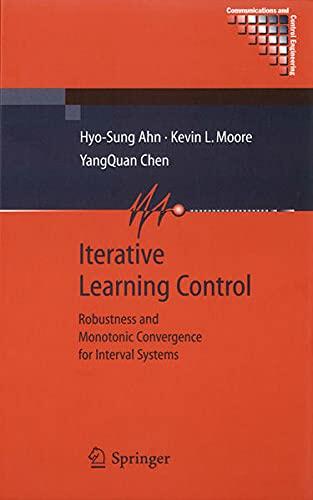
This work delves into the intricacies of designing robust iterative learning control (ILC) systems, emphasizing their application within discrete-time processes. The authors explore the theoretical foundations of ILC, offering insights into how these systems can be both resilient and adaptable, ensuring monotonic convergence even in fluctuating environments.
Through a combination of advanced mathematical frameworks and practical examples, the text illustrates the effectiveness of these controllers in managing interval systems. This exploration serves as a valuable resource for researchers and practitioners seeking to enhance the performance of control systems while maintaining stability and consistency in their operations.
Through a combination of advanced mathematical frameworks and practical examples, the text illustrates the effectiveness of these controllers in managing interval systems. This exploration serves as a valuable resource for researchers and practitioners seeking to enhance the performance of control systems while maintaining stability and consistency in their operations.