

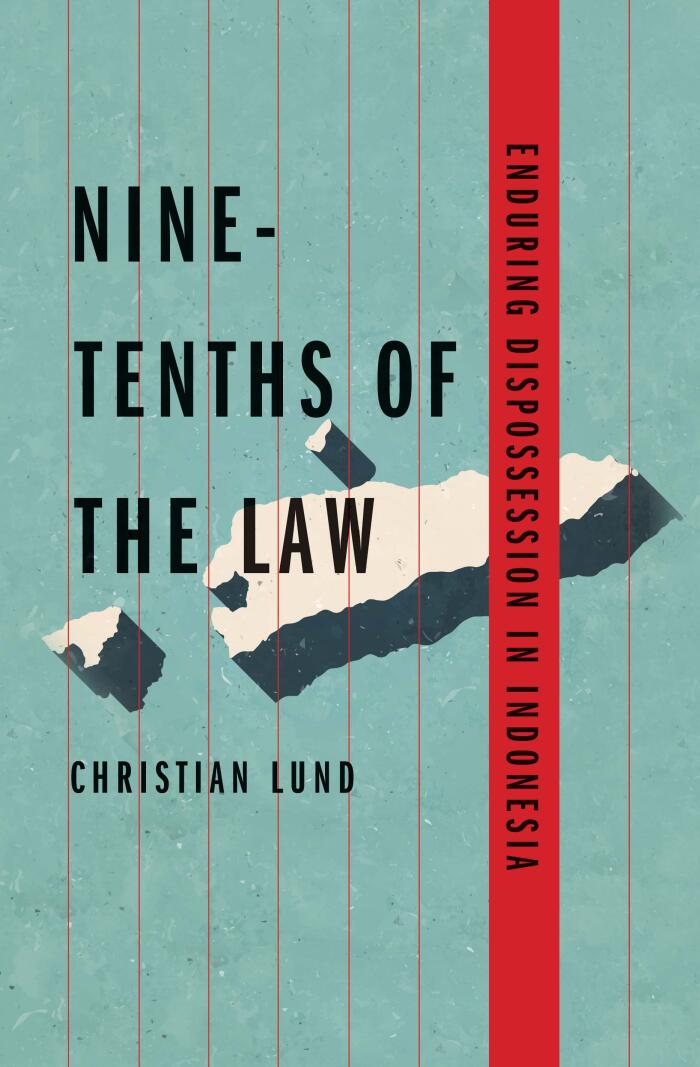
Nine-Tenths of the Law: Enduring Dispossession in Indonesia
还没有评分
Romance
格式
平装书
页数
264
语言
英语
已发布
Jan 5, 2021
出版商
Yale University Press
ISBN-10
0300251076
ISBN-13
9780300251074
描述
Christian Lund delves into the intricate dynamics of possession and legality in Indonesia, illuminating the complex universe of land rights and ownership that shapes the country's socio-political landscape. Through a series of case studies, Lund uncovers how historical injustices and ongoing struggles for land tenure continue to resonate among local communities, impacting their daily lives and sense of identity.
The narrative reveals how overlapping claims to land and resources often lead to tension and conflict, complicating the legal frameworks designed to resolve these disputes. Lund's exploration emphasizes the gap between legal documentation and the lived experiences of people who assert their rights to land through possession, drawing attention to the often contentious nature of what it means to own something in a place marked by colonial legacies and modern economic pressures.
At its core, this work invites readers to reconsider their understanding of property rights and ownership. Lund engages with broader themes of justice and social equity, asking critical questions about the implications of dispossession and the resilience of communities striving for recognition and security in a rapidly changing environment.
The narrative reveals how overlapping claims to land and resources often lead to tension and conflict, complicating the legal frameworks designed to resolve these disputes. Lund's exploration emphasizes the gap between legal documentation and the lived experiences of people who assert their rights to land through possession, drawing attention to the often contentious nature of what it means to own something in a place marked by colonial legacies and modern economic pressures.
At its core, this work invites readers to reconsider their understanding of property rights and ownership. Lund engages with broader themes of justice and social equity, asking critical questions about the implications of dispossession and the resilience of communities striving for recognition and security in a rapidly changing environment.