描述
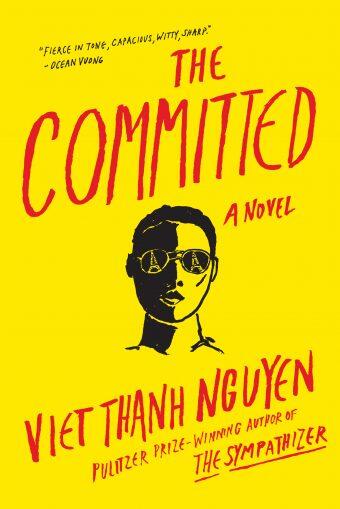
Set against the backdrop of a vibrant yet fraught landscape, Nguyen paints a vivid picture of cultural collision where East meets West. Readers are immersed in a world where the past lingers like a specter, influencing the choices and relationships of those who have chosen to forge new lives in foreign territories. The author’s keen insights into the immigrant experience illuminate the deep-seated conflicts that arise from this complex journey.
As the protagonist grapples with issues of loyalty, loss, and love, the narrative evolves into a thought-provoking exploration of what it means to be ‘committed’ to oneself and to others in an era rife with division. Nguyen’s masterful prose skillfully intertwines humor with tragedy, creating a poignant and engaging reading experience that resonates with universal themes.
Through a captivating blend of historical context and personal reflection, the novel challenges readers to confront their own notions of identity while offering a profound commentary on the immigrant experience in contemporary society. Nguyen’s voice remains as compelling as ever, reminding us of the power of storytelling in capturing the essence of human resilience and connection.
书籍详情
评论
查看全部
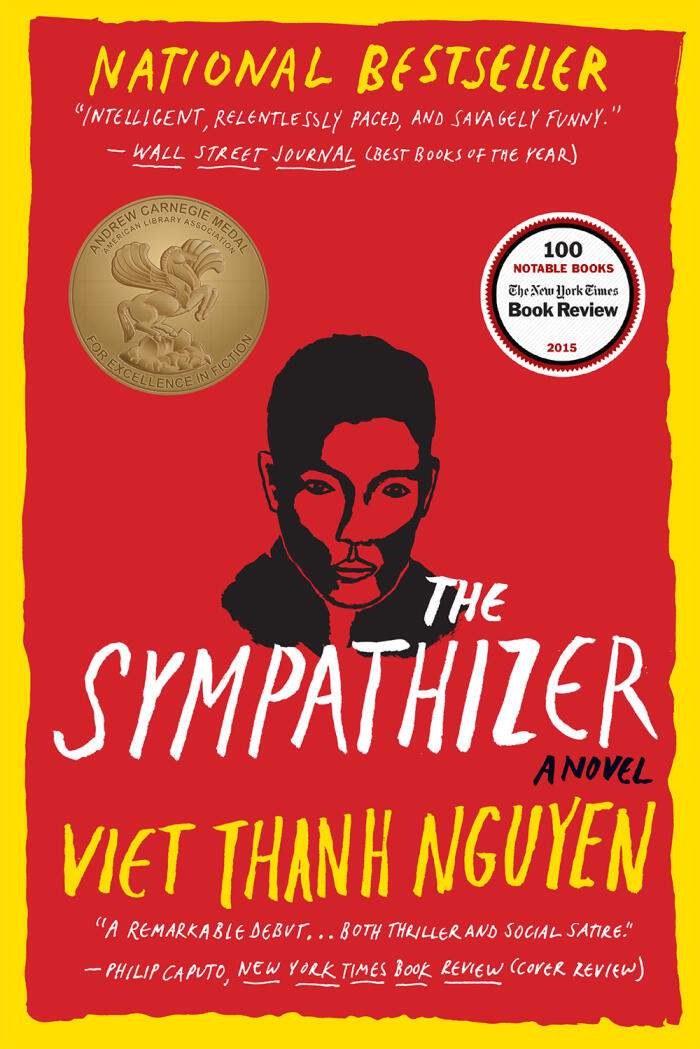
Where The Sympathizer had a compelling spy narrative to carry the reader through its philosophical material, The Committed drags us through the Parisian underworld with our main protagonist descending into a bitter, nihilistic, reactionary worldview. The criminal elements were far less engaging than the espionage of the first book for me. And given how The Sympathizer ended, the narrator's ideological collapse in the sequel was predictable.Both novels share common themes of identity and duality along with critiques of colonialism and capitalism, however in The Committed Viet Thanh Nguyen further explores a nihilistic analysis that ultimately requires nothing of the narrator politically. He equates colonial and capitalist violence with revolutionary & post-revolutionary violence, as if one isn't designed to maintain exploitation and domination while the other defends a revolutionary project from being destroyed. As if capitalism and communism aren't systems with fundamentally opposing logics. He both-sides ideological and repressive state apparatuses simply because both involve state power and coercion, ignoring that state power under capitalism protects property relations, accumulation of wealth, and the interests of the capitalist class while under socialism it prevents counterrevolution and organizes production for the benefit of the masses.Much of the philosophical rambling in this culminates in silly liberal discourse. "Third-way" rhetoric that maintains the status quo while masquerading as sophistication. Capitalism and communism are not two equally failed experiments. One is the dominant global system currently exploiting billions and destroying the planet; the other represents various historical attempts to overcome that system under extraordinarily hostile conditions.The book treats the narrator's trauma as insight and offers no path forward except retreat into paralyzing despair which in the end will translate to comfort for readers that already would "rather be at brunch." It's difficult for me to separate my political disagreements from the quality and structure of this book and perhaps I have rated it too harshly. If you have read The Sympathizer, then this is definitely worth your time.