

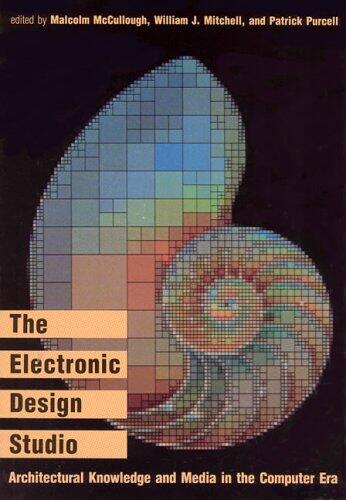
描述
In an era where technology reshapes traditional practices, this work explores how electronic design is revolutionizing architectural education and practice. The authors delve into the historical context of architectural design, highlighting the shift from manual computations to sophisticated digital tools. They argue that these advancements not only enhance creativity but also redefine the role of architects in an increasingly complex world.
Through insightful analysis, the book emphasizes the importance of integrating computer technology into architectural curricula. By examining case studies and design methodologies, the authors illustrate how embracing electronic tools can lead to more innovative and efficient solutions. This exploration of the intersection between architecture and technology provides a thought-provoking perspective for educators and practitioners alike, challenging them to rethink the future of design.
Through insightful analysis, the book emphasizes the importance of integrating computer technology into architectural curricula. By examining case studies and design methodologies, the authors illustrate how embracing electronic tools can lead to more innovative and efficient solutions. This exploration of the intersection between architecture and technology provides a thought-provoking perspective for educators and practitioners alike, challenging them to rethink the future of design.
书籍详情
格式
精装书
页数
516 页
语言
英语
已发布
9月 10, 1990
出版商
The MIT Press