

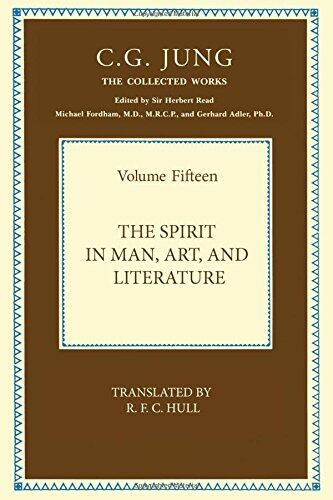
The Spirit of Man in Art and Literature
还没有评分
Poetry
格式
精装书
页数
176
语言
英语
已发布
Mar 31, 1967
出版商
Routledge
版本
1
ISBN-10
0415051681
ISBN-13
9780415051682
描述
C.G. Jung's exploration of the spirit of man through art and literature offers profound insights into the complex relationship between creativity, psyche, and culture. Jung delves into the symbolisms present in various artistic expressions, revealing how they serve as reflections of the human condition. His analysis spans diverse cultural artifacts, pointing out the universal motifs that resonate across time and geography.
With a focus on how these artistic works articulate the inner workings of the mind, Jung examines the ways in which they convey deep psychological truths. He argues that art is not merely a form of expression but a vital means for understanding and navigating the human experience. Through poetic language and rich symbolism, Jung bridges the gap between the unconscious and the conscious.
The collected works stand as a testament to Jung's belief in the interconnectedness of all human endeavors. He posits that literature and art reveal dimensions of the collective unconscious, serving as a conduit for shared human experience and emotion. By unraveling these connections, readers are invited to reflect on their own lives and the artistic expressions that shape their understanding of themselves and the world.
Jung's thoughtful analysis encourages a deeper appreciation of both art and literature, urging readers to engage with these forms as vital parts of the human journey. Through his lens, art becomes a mirror reflecting the spirit of humanity, illuminating our dreams, fears, and ambitions in the process.
With a focus on how these artistic works articulate the inner workings of the mind, Jung examines the ways in which they convey deep psychological truths. He argues that art is not merely a form of expression but a vital means for understanding and navigating the human experience. Through poetic language and rich symbolism, Jung bridges the gap between the unconscious and the conscious.
The collected works stand as a testament to Jung's belief in the interconnectedness of all human endeavors. He posits that literature and art reveal dimensions of the collective unconscious, serving as a conduit for shared human experience and emotion. By unraveling these connections, readers are invited to reflect on their own lives and the artistic expressions that shape their understanding of themselves and the world.
Jung's thoughtful analysis encourages a deeper appreciation of both art and literature, urging readers to engage with these forms as vital parts of the human journey. Through his lens, art becomes a mirror reflecting the spirit of humanity, illuminating our dreams, fears, and ambitions in the process.