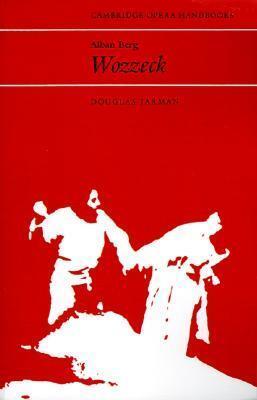
Alban Berg: Wozzeck
尚無評分
History
Contemporary
格式
平裝書
頁數
181
語言
英語
已出版
May 18, 1989
出版商
Cambridge University Press
ISBN-10
0521284813
ISBN-13
9780521284813
描述
Alban Berg's Wozzeck stands as a monumental achievement in the landscape of twentieth-century opera, weaving a haunting narrative that explores the depths of human despair and societal anguish. Through characters that resonate with profound emotional weight, the opera captures the bleakness and isolation experienced by its protagonist, Wozzeck, as he grapples with the cruelty of the world around him.
Douglas Jarman's insights shed light on Berg's innovative musical language, which marries atonality with a vivid expression of human suffering. The score's unique textures and dissonances create an atmosphere that mirrors the psychological turmoil faced by Wozzeck, making the opera a compelling study of the human condition. Jarman delves into the historical and cultural contexts that influenced Berg, offering readers a comprehensive understanding of the opera's significance.
As readers journey through this eloquent examination, they discover how Wozzeck's story transcends time, resonating with contemporary audiences. It challenges them to reflect on themes of alienation, power, and the fragility of sanity, reinforcing why this opera remains a critical touchstone in the canon of modern classical music.
Douglas Jarman's insights shed light on Berg's innovative musical language, which marries atonality with a vivid expression of human suffering. The score's unique textures and dissonances create an atmosphere that mirrors the psychological turmoil faced by Wozzeck, making the opera a compelling study of the human condition. Jarman delves into the historical and cultural contexts that influenced Berg, offering readers a comprehensive understanding of the opera's significance.
As readers journey through this eloquent examination, they discover how Wozzeck's story transcends time, resonating with contemporary audiences. It challenges them to reflect on themes of alienation, power, and the fragility of sanity, reinforcing why this opera remains a critical touchstone in the canon of modern classical music.