

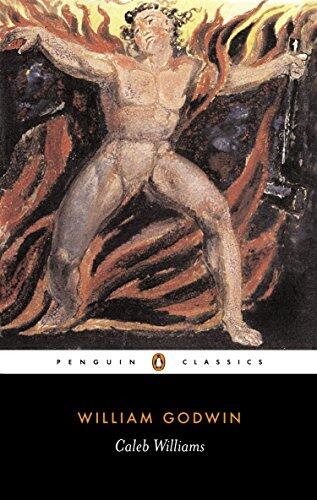
書籍詳情
描述
As secrets unravel, Caleb's once simple world transforms into a battleground of cunning and betrayal. The story delves into themes of social justice, the quest for truth, and the interplay between power and vulnerability. Godwin's intricate storytelling captures Caleb's turmoil as he grapples with loyalty, fear, and the consequences of knowledge, culminating in a gripping exploration of freedom and entrapment in a world rife with corruption.
類型
評論
查看全部
When Caleb William is mentioned, it is the Romantic era and the Romantic novel that come to mind. Very often, thoughts of exaggerated plots and gothic conspiracies prejudice the reader against the merits of such works. This is where Godwin's novel fits as a specimen of the Romantic novels that had revolutionized the genre, and contributed to its subsequent success and fame as the most widely spread literary form. The book is initially a novel of propaganda. Its plot focuses on the era's penal system, social injustice, and political corruption. At the same time, however, it also contains elements of crime, detection, pursuit, and punishment which were remarkably innovative back then. The novel is also considered as one of the first literary works to have given a psychological portrait of its characters. On the one hand, the narrative allows a psychological analysis of Mr. Falkland, and breaks the components of his mind to the smallest level of motivations and drives. On the other, Caleb, himself, supplies ample material for the investigation of his own character under all the hardships he had experienced. In addition to the psychological, social, and political insights provided in the book, Godwin had also tackled in it a very important existential question, namely the struggle between integrity and reputation. Given the fact that Caleb Williams was written a century before such notions in existential psychotherapy were established in psychology, the book can be said to have been quite futuristic at its time of publication.