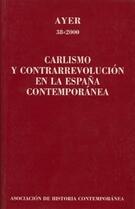
Carlismo y contrarrevolución en la España contemporánea
尚無評分
格式
平裝書
頁數
296
語言
西班牙的
已出版
Oct 1, 2000
出版商
Marcial Pons
ISBN-10
8495379147
ISBN-13
9788495379146
描述
This book delves into the complex and often tumultuous history of Carlism and its enduring influence in contemporary Spain. A collective effort from several authors, it weaves together various perspectives that examine the roots and ramifications of the Carlist movement, known for its fervent traditionalist and monarchist ideals. Each chapter offers an insightful analysis, shedding light on how these ideas have persisted over time, despite the rapidly changing social and political landscape of Spain.
The work not only traces the historical trajectory of Carlism but also explores its ideological underpinnings and the counter-revolutionary sentiments associated with it. Jesus Millán kicks off the discussion by addressing the enduring nature of Carlist contrarrevolution, providing a foundation for the contributions that follow. This intricate narrative is filled with rich historical context, connecting past events to their implications in modern Spain.
Contributions from various scholars present a multifaceted approach to Carlism, from examining key figures to analyzing the movement’s impact on contemporary politics. Each author adds depth to the discussion, illustrating how the echoes of Carlist ideology can still be felt today, influencing cultural and political dialogues.
As an informative resource, it appeals to historians, students, and anyone interested in understanding the complexities of Spanish history and the resilience of ideologies that challenge the status quo. This volume serves not only as a historical account but also as a reflection on the ongoing relevance of Carlist thoughts in Spain’s national narrative.
The work not only traces the historical trajectory of Carlism but also explores its ideological underpinnings and the counter-revolutionary sentiments associated with it. Jesus Millán kicks off the discussion by addressing the enduring nature of Carlist contrarrevolution, providing a foundation for the contributions that follow. This intricate narrative is filled with rich historical context, connecting past events to their implications in modern Spain.
Contributions from various scholars present a multifaceted approach to Carlism, from examining key figures to analyzing the movement’s impact on contemporary politics. Each author adds depth to the discussion, illustrating how the echoes of Carlist ideology can still be felt today, influencing cultural and political dialogues.
As an informative resource, it appeals to historians, students, and anyone interested in understanding the complexities of Spanish history and the resilience of ideologies that challenge the status quo. This volume serves not only as a historical account but also as a reflection on the ongoing relevance of Carlist thoughts in Spain’s national narrative.