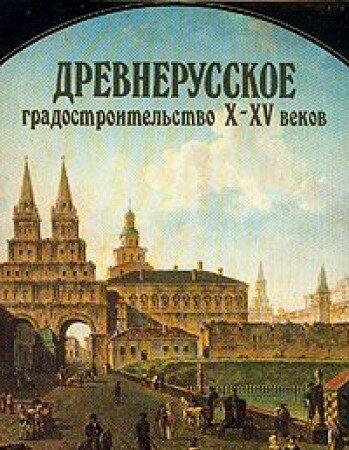
Drevnerusskoe gradostroitelʹstvo X-XV vekov
由
N. F. (nikolaĭ Feodosʹevich) Guli︠a︡nit︠s︡kiĭ
,
Vnii Teorii Arkhitektury I Gradostroitelʹstva (russia)
尚無評分
Religion & Spirituality
格式
平裝書
頁數
391
語言
俄羅斯的
已出版
Jan 1, 1993
出版商
Stroiizdat
ISBN-10
5274015026
ISBN-13
9785274015028
描述
Nikolai Feodosevich Guli︡a︡nit︠s︡kiĭ, a notable authority in the realm of Russian architectural theory, presents a scholarly exploration of urban construction in ancient Russia, spanning from the 10th to the 15th centuries. This work delves deep into the evolution of city planning and architectural practices, reflecting the rich historical context and cultural influences that shaped the built environment during this period.
The volume offers a comprehensive analysis of urban development, discussing various architectural styles, techniques, and materials that were prevalent in early Russian cities. With a focus on both the aesthetic and functional aspects of construction, Guli︡a︡nit︠s︡kiĭ aims to shed light on how these practices were developed in response to social, political, and economic changes.
Accompanied by meticulous research and a clear presentation of findings, this contribution is an essential resource for anyone interested in the history of Russian architecture and urban design. The insights provided here are invaluable for historians, architects, and students alike, offering a window into a formative time in Russia's architectural heritage.
The volume offers a comprehensive analysis of urban development, discussing various architectural styles, techniques, and materials that were prevalent in early Russian cities. With a focus on both the aesthetic and functional aspects of construction, Guli︡a︡nit︠s︡kiĭ aims to shed light on how these practices were developed in response to social, political, and economic changes.
Accompanied by meticulous research and a clear presentation of findings, this contribution is an essential resource for anyone interested in the history of Russian architecture and urban design. The insights provided here are invaluable for historians, architects, and students alike, offering a window into a formative time in Russia's architectural heritage.