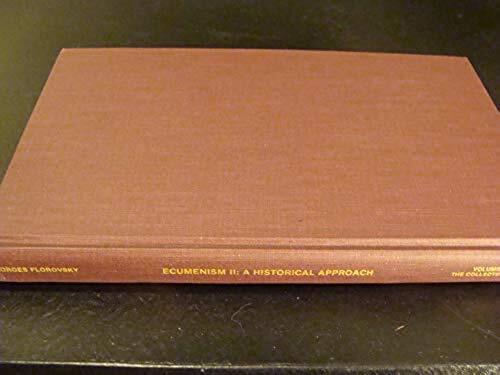
Ecumenism II: A Historical Approach
尚無評分
Religion & Spirituality
History
格式
精裝書
頁數
213
語言
德語
已出版
Jan 1, 1989
出版商
BŸchervertriebsanstalt
ISBN-10
3905238187
ISBN-13
9783905238181
描述
Georges Florovsky delves into the intricate tapestry of ecumenism in his work, exploring its historical underpinnings and development through the ages. With a keen analytical eye, he examines how various Christian traditions have interacted and evolved in their pursuit for unity. By tracing the roots of ecumenical movements, he sheds light on both the theological and sociopolitical factors that have shaped these dialogues over time.
Throughout the narrative, Florovsky emphasizes the significance of historical context in understanding the contemporary ecumenical landscape. He meticulously documents key events, figures, and theological shifts that have influenced interfaith relationships. This exploration is not merely a recounting of history but a profound reflection on the ongoing quest for communion among diverse Christian denominations.
Moreover, the work invites readers to contemplate the implications of ecumenism for modern spirituality. Florovsky's insights challenge believers to think critically about their faith in relation to broader Christian unity. Ultimately, this historical approach not only informs but also inspires a renewed vision for cooperation and understanding among the various arms of Christianity.
Throughout the narrative, Florovsky emphasizes the significance of historical context in understanding the contemporary ecumenical landscape. He meticulously documents key events, figures, and theological shifts that have influenced interfaith relationships. This exploration is not merely a recounting of history but a profound reflection on the ongoing quest for communion among diverse Christian denominations.
Moreover, the work invites readers to contemplate the implications of ecumenism for modern spirituality. Florovsky's insights challenge believers to think critically about their faith in relation to broader Christian unity. Ultimately, this historical approach not only informs but also inspires a renewed vision for cooperation and understanding among the various arms of Christianity.