

書籍詳情
格式
平裝書
頁數
176
語言
英語
已出版
Aug 30, 2021
出版商
Anyone Corporation
ISBN-10
1736500708
ISBN-13
9781736500705
描述
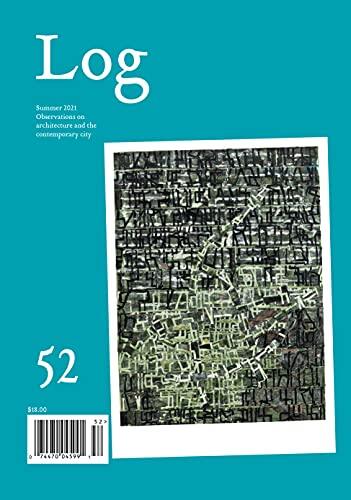
Amidst the intersection of architecture, urbanism, and societal issues, a diverse group of thinkers presents a compelling narrative in Log 52. This collection emerges as a response to contemporary challenges, blending theoretical insights with practical explorations. The contributions span various perspectives, illustrating how design can stimulate meaningful dialogue around community and sustainability.
Each author lends their unique voice, offering innovative ideas that push beyond conventional boundaries. This interplay of viewpoints creates a rich tapestry, revealing the intricate relationship between the built environment and its social context. The discourse navigates from pressing urban crises to experimental design proposals, showcasing a myriad of responses to the complexities of modern life.
Readers are invited to engage with these thought-provoking reflections, which emphasize the importance of collaboration in creating inclusive spaces. The insights serve not only as intellectual stimulation but also as a call to action for those invested in the future of urban landscapes.
As the pages unfold, an underlying question persists: how can architects and designers respond to the pressing needs of communities while responsibly engaging with their environments? Log 52 serves as both a resource and a catalyst for transforming this essential dialogue into tangible realities.
Each author lends their unique voice, offering innovative ideas that push beyond conventional boundaries. This interplay of viewpoints creates a rich tapestry, revealing the intricate relationship between the built environment and its social context. The discourse navigates from pressing urban crises to experimental design proposals, showcasing a myriad of responses to the complexities of modern life.
Readers are invited to engage with these thought-provoking reflections, which emphasize the importance of collaboration in creating inclusive spaces. The insights serve not only as intellectual stimulation but also as a call to action for those invested in the future of urban landscapes.
As the pages unfold, an underlying question persists: how can architects and designers respond to the pressing needs of communities while responsibly engaging with their environments? Log 52 serves as both a resource and a catalyst for transforming this essential dialogue into tangible realities.