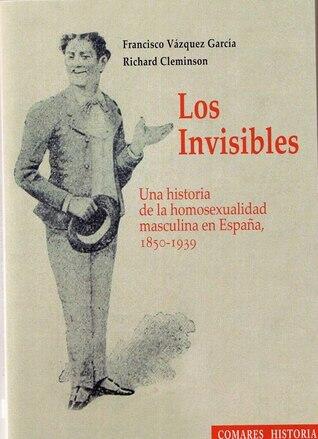
Los Invisibles. Una historia de la homosexualidad masculina en España, 1850-1939
尚無評分
LGBTQ+
格式
平裝書
頁數
317
語言
西班牙的
已出版
Jan 1, 2011
出版商
Comares
ISBN-10
8498367832
ISBN-13
9788498367836
描述
This engaging exploration of male homosexuality in Spain from 1850 to 1939 offers a deep dive into a largely overlooked aspect of cultural history. The authors, Francisco Vázquez García and Richard Cleminson, illuminate the complex societal dynamics that shaped the lives of gay men during this transformative period. They analyze historical events, social attitudes, and cultural shifts, providing a rich context for understanding the struggles and experiences of the LGBTQ+ community.
Through meticulous research, the authors bring to light untold narratives of individuals who navigated a landscape fraught with prejudice and discrimination. They delve into the clandestine networks and relationships that flourished amidst societal repression, revealing the resilience and courage of those who lived outside the norms of their time. Personal accounts interwoven with historical analysis highlight the diverse experiences within the homosexual community.
The book challenges prevalent misconceptions and urges readers to reconsider the ways in which history has often rendered these individuals invisible. By uncovering the intricacies of their lives, the authors foster a greater appreciation for the contributions of gay men to Spain's cultural heritage.
Ultimately, this work stands as a crucial resource for anyone interested in LGBTQ+ history, cultural studies, or the evolution of social norms. It underscores the importance of memory and recognition in the ongoing quest for equality and understanding within society.
Through meticulous research, the authors bring to light untold narratives of individuals who navigated a landscape fraught with prejudice and discrimination. They delve into the clandestine networks and relationships that flourished amidst societal repression, revealing the resilience and courage of those who lived outside the norms of their time. Personal accounts interwoven with historical analysis highlight the diverse experiences within the homosexual community.
The book challenges prevalent misconceptions and urges readers to reconsider the ways in which history has often rendered these individuals invisible. By uncovering the intricacies of their lives, the authors foster a greater appreciation for the contributions of gay men to Spain's cultural heritage.
Ultimately, this work stands as a crucial resource for anyone interested in LGBTQ+ history, cultural studies, or the evolution of social norms. It underscores the importance of memory and recognition in the ongoing quest for equality and understanding within society.