

描述
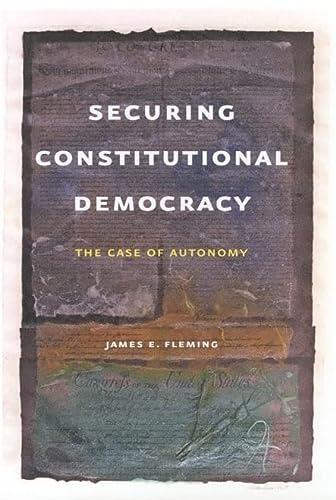
James E. Fleming delves into the intricate relationship between autonomy and constitutional democracy, exploring how fundamental rights intersect with individual freedoms. By examining the theoretical underpinnings of autonomy, Fleming articulates a case for why it should be regarded as a cornerstone of democratic governance. His argument highlights the importance of safeguarding autonomy as not merely a matter of legal protection, but as an essential ingredient for the flourishing of a healthy and vibrant society.
Throughout the narrative, the author employs historical and contemporary examples to illustrate the impacts of undermining autonomy within democratic frameworks. He emphasizes the need for a robust understanding of constitutional rights that embrace the complexities of individual choice and freedom. By doing so, Fleming not only champions the rights of individuals but also offers a compelling vision for a more resilient democracy, where personal autonomy is both recognized and celebrated as a vital component of civic life.
Throughout the narrative, the author employs historical and contemporary examples to illustrate the impacts of undermining autonomy within democratic frameworks. He emphasizes the need for a robust understanding of constitutional rights that embrace the complexities of individual choice and freedom. By doing so, Fleming not only champions the rights of individuals but also offers a compelling vision for a more resilient democracy, where personal autonomy is both recognized and celebrated as a vital component of civic life.
書籍詳情
格式
精裝書
頁數
335 頁
語言
英語
已出版
Oct 2, 2006
出版商
The University of Chicago Press
版本
New Edition
ISBN-10
0226253430
ISBN-13
9780226253435