

描述
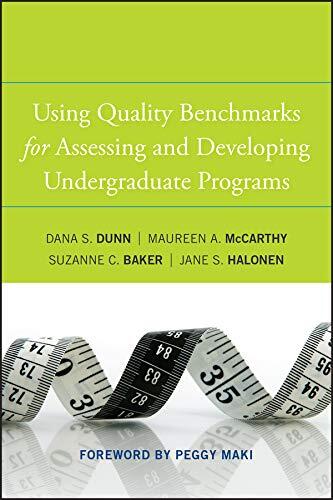
This comprehensive guide delves into the critical role that quality benchmarks play in evaluating and enhancing undergraduate programs. The authors present well-researched insights that empower educators to systematically assess their programs and identify areas for improvement. With a focus on practical application, the text illustrates how to effectively integrate these benchmarks into existing curricula and institutional frameworks.
Each chapter provides a thorough exploration of specific aspects of program assessment, including student learning outcomes, curriculum design, and instructional practices. The authors emphasize the importance of a collaborative approach, encouraging educational institutions to engage faculty, administration, and stakeholders in the assessment process. This holistic view not only supports continuous improvement but also fosters a culture of accountability within academic settings.
Illustrative case studies and best practice examples give readers a clear understanding of how these benchmarks can be applied in real-world contexts. By sharing varied experiences and outcomes, the text serves as an invaluable resource for both new and seasoned educators navigating the complexities of program assessment and development.
Ultimately, the book advocates for a proactive approach in higher education, where quality benchmarks not only guide assessment but also inspire innovation and excellence in undergraduate programs. The insights provided are essential for any institution seeking to enhance the quality of education it offers to its students.
Each chapter provides a thorough exploration of specific aspects of program assessment, including student learning outcomes, curriculum design, and instructional practices. The authors emphasize the importance of a collaborative approach, encouraging educational institutions to engage faculty, administration, and stakeholders in the assessment process. This holistic view not only supports continuous improvement but also fosters a culture of accountability within academic settings.
Illustrative case studies and best practice examples give readers a clear understanding of how these benchmarks can be applied in real-world contexts. By sharing varied experiences and outcomes, the text serves as an invaluable resource for both new and seasoned educators navigating the complexities of program assessment and development.
Ultimately, the book advocates for a proactive approach in higher education, where quality benchmarks not only guide assessment but also inspire innovation and excellence in undergraduate programs. The insights provided are essential for any institution seeking to enhance the quality of education it offers to its students.
書籍詳情
格式
精裝書
頁數
384 頁
語言
英語
已出版
Dec 21, 2010
出版商
Jossey-bass
版本
1
版本
2 個版本
ISBN-10
0470405562
ISBN-13
9780470405567