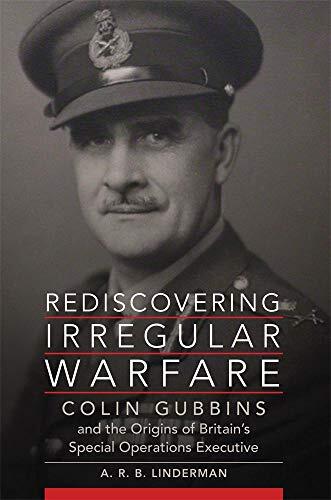
Rediscovering Irregular Warfare: Colin Gubbins and the Origins of Britain’s Special Operations Executive
بواسطة
A.R.B. Linderman
لا توجد تقييمات بعد
Biography
Action & Adventure
History
تنسيق
غلاف صلب
صفحات
288
لغة
الإنجليزية
منشور
Feb 29, 2016
الناشر
University of Oklahoma Press
رقم ISBN-10
0806151676
رقم ISBN-13
9780806151670
الوصف
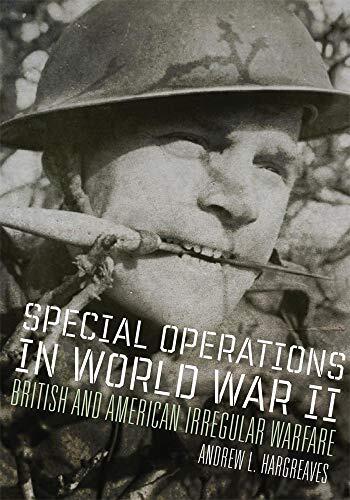
Colin Gubbins emerges as a pivotal figure in the development of irregular warfare strategies within the United Kingdom during the tumultuous years of World War II. His innovative approaches laid the groundwork for the Special Operations Executive, an organization tasked with conducting covert operations against enemy forces. A. R. B. Linderman delves into Gubbins's life and career, illustrating how his experiences and insights contributed to a paradigm shift in military tactics that emphasized unconventional warfare.
The narrative explores Gubbins's early influences and the lessons drawn from both historical conflicts and contemporary practices. Linderman meticulously details the formulation of a doctrine that would guide the Special Operations Executive, highlighting the importance of adaptability and resourcefulness in challenging military environments. As the battle against fascism intensified, Gubbins's strategies became integral to Britain's wartime efforts, reflecting the necessity of unconventional approaches in modern combat.
Through rich storytelling and rigorous analysis, this volume offers a comprehensive examination of the origins of Britain's covert operations, showcasing the significance of Gubbins's legacy in the realm of irregular warfare. Linderman's work not only sheds light on a critical aspect of wartime strategy but also invites readers to reflect on the evolving nature of conflict and the enduring impact of innovative military leadership.
The narrative explores Gubbins's early influences and the lessons drawn from both historical conflicts and contemporary practices. Linderman meticulously details the formulation of a doctrine that would guide the Special Operations Executive, highlighting the importance of adaptability and resourcefulness in challenging military environments. As the battle against fascism intensified, Gubbins's strategies became integral to Britain's wartime efforts, reflecting the necessity of unconventional approaches in modern combat.
Through rich storytelling and rigorous analysis, this volume offers a comprehensive examination of the origins of Britain's covert operations, showcasing the significance of Gubbins's legacy in the realm of irregular warfare. Linderman's work not only sheds light on a critical aspect of wartime strategy but also invites readers to reflect on the evolving nature of conflict and the enduring impact of innovative military leadership.