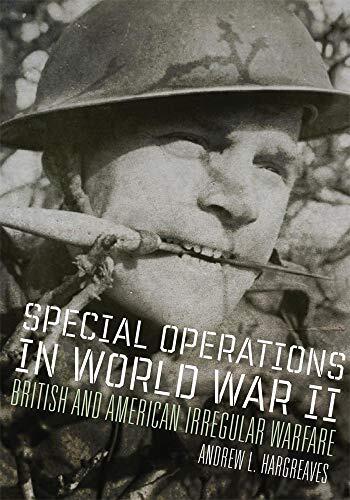
Special Operations in World War II: British and American Irregular Warfare
بواسطة
Andrew L. Hargreaves
لا توجد تقييمات بعد
Action & Adventure
تنسيق
غلاف صلب
صفحات
432
لغة
الإنجليزية
منشور
Oct 31, 2013
الناشر
University of Oklahoma Press
الطبعة
First Edition
رقم ISBN-10
0806143967
رقم ISBN-13
9780806143965
الوصف
Delving into the often-overlooked strategies of irregular warfare during World War II, this volume presents a compelling study of British and American special operations. The author meticulously examines the tactics, missions, and the significant role these unconventional forces played throughout the conflict. By weaving together vivid historical accounts, military analysis, and firsthand testimonies, readers gain a comprehensive understanding of how these operations shaped the course of the war.
The narrative focuses on the daring raids and covert missions that challenged traditional military engagements, highlighting the audacity of operatives who operated behind enemy lines. The author sheds light on the complexities of coordination between the two allies, revealing the strategic importance of these collaborations. As the book unfolds, it illustrates the evolving nature of warfare and the necessity for adaptation in the face of formidable challenges.
This examination expands beyond mere recounting of battles; it explores the human element of warfare, offering insights into the bravery, ingenuity, and resilience of the individuals involved. Hargreaves’ work invites readers to reflect on the broader implications of irregular warfare and its lasting impact on military doctrine.
Listeners and readers alike will find themselves captivated by the stories within, as they uncover the intricacies and triumphs of these special operations that often changed the tide of war. This volume stands as an essential contribution to the understanding of World War II, revealing how irregular forces played a critical yet underappreciated role in achieving victory.
The narrative focuses on the daring raids and covert missions that challenged traditional military engagements, highlighting the audacity of operatives who operated behind enemy lines. The author sheds light on the complexities of coordination between the two allies, revealing the strategic importance of these collaborations. As the book unfolds, it illustrates the evolving nature of warfare and the necessity for adaptation in the face of formidable challenges.
This examination expands beyond mere recounting of battles; it explores the human element of warfare, offering insights into the bravery, ingenuity, and resilience of the individuals involved. Hargreaves’ work invites readers to reflect on the broader implications of irregular warfare and its lasting impact on military doctrine.
Listeners and readers alike will find themselves captivated by the stories within, as they uncover the intricacies and triumphs of these special operations that often changed the tide of war. This volume stands as an essential contribution to the understanding of World War II, revealing how irregular forces played a critical yet underappreciated role in achieving victory.