

جزئیات کتاب
توضیحات
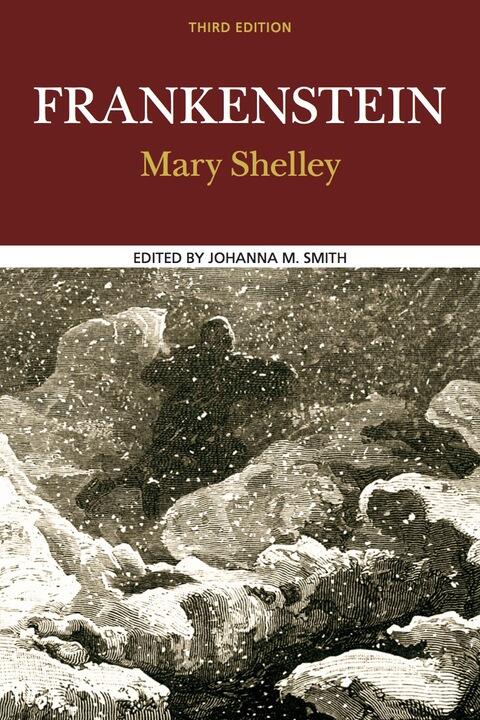
This latest edition enriches the dialogue surrounding Shelley's work, incorporating diverse scholarly perspectives introduced in recent years. By engaging with feminist, postcolonial, and psychoanalytic critiques, Smith broadens the scope of interpretation, making it an essential read for those seeking to understand the enduring relevance of "Frankenstein." Through this modern critique, readers are invited to reflect on the complexities of creation and the consequences of ambition, echoing discussions that are just as vital today as they were in the 19th century.
ژانرها
نقدها
مشاهده همه
Mary Shelley's chilling Gothic tale was conceived when she was only eighteen, living with her lover Percy Shelley on Lake Geneva.

El libro plantea temas profundos como la ética científica, que tan lejos es capaz de llegar el ser humano con tal de conseguir sus objetivos, lo inhumanos que podemos llegar a ser, la vida, la muerte y la naturaleza humana.En cuanto a Victor Frankenstein, era un joven algo egocentrico que jugo a ser Dios y cuando le da vida al monstruo, simplemente huye. Personalmente considero que el monstruo era muchísimo más humano que su creador, pero el rechazo y aislamiento que sufre por parte del mundo lo llevan a llenarse de odio. Lo otro que me sorprende es cómo el mounstruo es capaz de aprender a hablar, a expresarse y a leer sin que nadie le enseñara,Me sorprendió lo diferente que es la novela en comparación con las películas o dibujos animados (es demasiada la diferencia) y éstas no le hacen honra a esta obra maestra. Me gustó la escritura de Mary Shelley por su fluidez, riqueza de palabras, llena de matices fantasticos entremezclados con la realidad y antiguedad, que le da un toque apasionado.En resumen, el libro me encantó y pasó a mis favoritos, por lo que lo recomiendo a todos las personas que quieran iniciarse en el terror, en la ciencia ficcion o simplemente en la lectura. Puntuación: 5/5
I absolutely loved this novel. With all the hype surrounding Guillermo del Toro’s upcoming adaptation, my expectations were sky-high. Maybe it was the edition I read, but some of the iconic lines I was waiting for felt phrased differently than I imagined, and they lost a bit of their impact for me.That said, the story is hauntingly beautiful and layered with meaning. The creature’s narrative is deeply moving and painfully human — relatable in ways that are uncomfortable and profound. I especially loved the story-within-a-story structure; it adds richness and emotional depth to the entire novel.4 stars. Eerie, philosophical, and heartfelt… yet somehow, something small felt just out of reach.