

説明
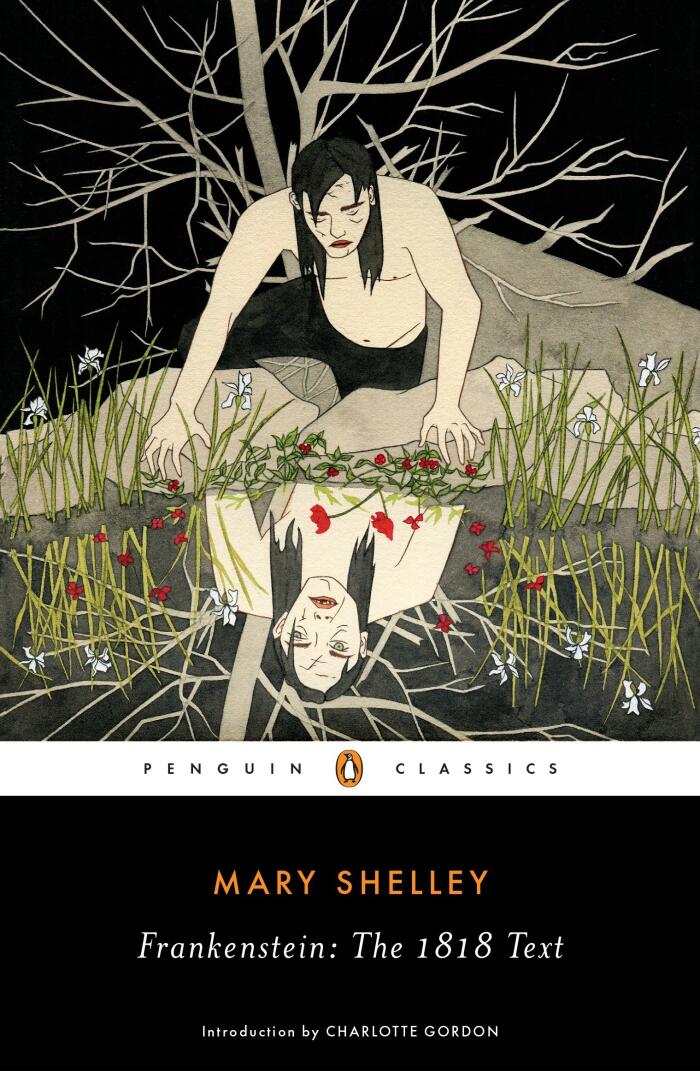
Mary Wollstonecraft Shelley's groundbreaking work delves into the complexities of creation, ambition, and the darker side of human nature. When Victor Frankenstein, a young scientist, becomes obsessed with the idea of bringing life to the inanimate, he unwittingly opens the door to unforeseen consequences. His quest for knowledge leads him to construct a being from discarded body parts, but upon bringing it to life, he recoils in horror at what he has done.
As the creature, initially innocent and yearning for acceptance, grapples with his identity and the rejection of society, themes of isolation and despair emerge. The narrative explores the profound horror of being misunderstood and abandoned, prompting readers to confront moral dilemmas surrounding creation and responsibility. Charlotte Gordon's insightful commentary underscores the importance of understanding both creator and creation, examining the struggle between longing for connection and the haunting shadows of consequence.
In a world where ambition often collides with ethical boundaries, Shelley's timeless cautionary tale remains strikingly relevant. The heart-wrenching tale is not just a supernatural horror story, but a profound examination of the human condition and the tumultuous relationship between creator and creation. As Victor and his creation become locked in a tragic battle, readers are invited to reflect on their own humanity, empathy, and the very nature of existence itself.
This edition of Shelley’s work offers fresh insights and context, providing a deeper understanding of the themes that have resonated through generations. The interplay of fear, love, and the quest for belonging invites exploration of the psychological dimensions of its characters, ensuring that their struggles continue to captivate readers long after the last page is turned.
As the creature, initially innocent and yearning for acceptance, grapples with his identity and the rejection of society, themes of isolation and despair emerge. The narrative explores the profound horror of being misunderstood and abandoned, prompting readers to confront moral dilemmas surrounding creation and responsibility. Charlotte Gordon's insightful commentary underscores the importance of understanding both creator and creation, examining the struggle between longing for connection and the haunting shadows of consequence.
In a world where ambition often collides with ethical boundaries, Shelley's timeless cautionary tale remains strikingly relevant. The heart-wrenching tale is not just a supernatural horror story, but a profound examination of the human condition and the tumultuous relationship between creator and creation. As Victor and his creation become locked in a tragic battle, readers are invited to reflect on their own humanity, empathy, and the very nature of existence itself.
This edition of Shelley’s work offers fresh insights and context, providing a deeper understanding of the themes that have resonated through generations. The interplay of fear, love, and the quest for belonging invites exploration of the psychological dimensions of its characters, ensuring that their struggles continue to captivate readers long after the last page is turned.
本の詳細
ジャンル
レビュー
すべて表示

É impressionante pensar que este romance foi escrito por uma jovem de apenas dezoito anos. Shelley utiliza o horror não para assustar, mas para discutir responsabilidade, ambição e solidão. O verdadeiro monstro nunca é apenas a criatura, mas também o homem incapaz de assumir as consequências de seus próprios atos. A escrita mantém um tom melancólico que acompanha toda a narrativa, fazendo do livro muito mais uma tragédia do que uma história de terror. É um clássico que continua relevante sempre que a ciência avança mais rápido do que a ética.
August 2nd 2026

The tragedy of the monster and the wretchedness of the man.
July 18th 2026