

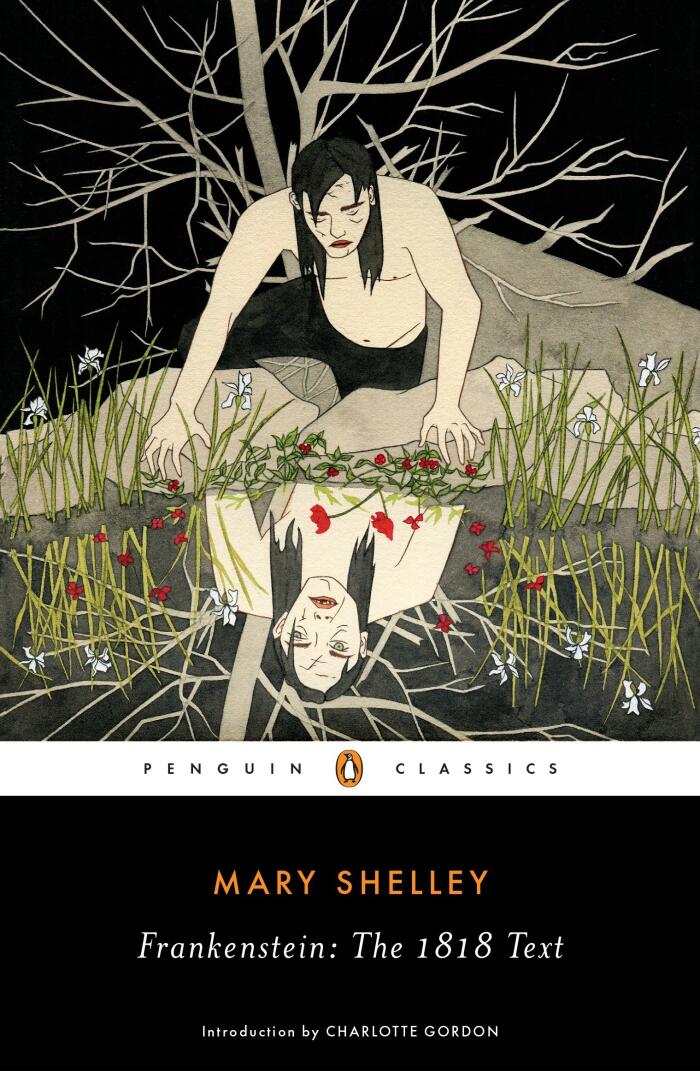
Frankenstein: The 1818 Text
描述
As the creature, initially innocent and yearning for acceptance, grapples with his identity and the rejection of society, themes of isolation and despair emerge. The narrative explores the profound horror of being misunderstood and abandoned, prompting readers to confront moral dilemmas surrounding creation and responsibility. Charlotte Gordon's insightful commentary underscores the importance of understanding both creator and creation, examining the struggle between longing for connection and the haunting shadows of consequence.
In a world where ambition often collides with ethical boundaries, Shelley's timeless cautionary tale remains strikingly relevant. The heart-wrenching tale is not just a supernatural horror story, but a profound examination of the human condition and the tumultuous relationship between creator and creation. As Victor and his creation become locked in a tragic battle, readers are invited to reflect on their own humanity, empathy, and the very nature of existence itself.
This edition of Shelley’s work offers fresh insights and context, providing a deeper understanding of the themes that have resonated through generations. The interplay of fear, love, and the quest for belonging invites exploration of the psychological dimensions of its characters, ensuring that their struggles continue to captivate readers long after the last page is turned.
评论

This book dives straight into the consequences of unchecked ambition, the ethics of creation, and the devastating loneliness of being made “wrong” by the world before you ever get a chance to exist. Victor Frankenstein is brilliant but catastrophically irresponsible — he wants the glory of creating life, but none of the accountability that comes with it. His cowardice is honestly more monstrous than the creature’s violence.And the creature? Shelley gives him a terrifying level of emotional depth. He’s articulate, perceptive, painfully self-aware. His tragedy isn’t that he’s ugly — it’s that he learns empathy first, and cruelty second. Watching him shift from yearning for connection to calculating vengeance is the kind of character arc modern authors still try and fail to replicate.What really carries the novel is its atmosphere. The isolation. The raw, bleak landscapes mirroring the absolute unraveling of two souls who can’t escape each other. Shelley understood existential dread before we had a name for it.Is the pacing Victorian? Obviously. Does it meander? Sure. But the ideas are sharp enough to cut through any slow patches, and the emotional intelligence on display is still leagues above most contemporary “dark academia” imitators.Bottom line: Frankenstein is a masterpiece because it doesn’t just tell a story — it forces you to confront what responsibility, compassion, and monstrosity actually mean. And every time you reread it, you walk away with a slightly different answer.
This book dives straight into the consequences of unchecked ambition, the ethics of creation, and the devastating loneliness of being made “wrong” by the world before you ever get a chance to exist. Victor Frankenstein is brilliant but catastrophically irresponsible — he wants the glory of creating life, but none of the accountability that comes with it. His cowardice is honestly more monstrous than the creature’s violence.And the creature? Shelley gives him a terrifying level of emotional depth. He’s articulate, perceptive, painfully self-aware. His tragedy isn’t that he’s ugly — it’s that he learns empathy first, and cruelty second. Watching him shift from yearning for connection to calculating vengeance is the kind of character arc modern authors still try and fail to replicate.What really carries the novel is its atmosphere. The isolation. The raw, bleak landscapes mirroring the absolute unraveling of two souls who can’t escape each other. Shelley understood existential dread before we had a name for it.Is the pacing Victorian? Obviously. Does it meander? Sure. But the ideas are sharp enough to cut through any slow patches, and the emotional intelligence on display is still leagues above most contemporary “dark academia” imitators.Bottom line: Frankenstein is a masterpiece because it doesn’t just tell a story — it forces you to confront what responsibility, compassion, and monstrosity actually mean. And every time you reread it, you walk away with a slightly different answer.