Bernie Wrightson's Frankenstein
描述
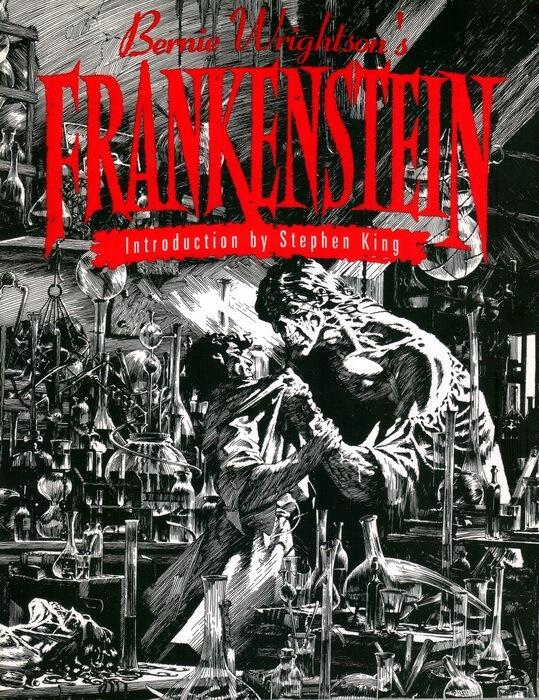
As the line between creator and creation blurs, readers are drawn into a profound exploration of morality, responsibility, and the struggle against societal rejection. The raw, bleak landscapes and meticulously crafted characters pose a thought-provoking question on the nature of humanity and the consequences of our choices. The presence of Stephen King as a contributor adds a layer of modern reflection on fear and monstrosity, lending his unique insight into the psychological depth of the characters.
Frankenstein represents not only a horror story but a tragic tale of loss and longing, where Victor's ambition leads him down a path of self-destruction. The creature, often misunderstood and abandoned, embodies the loneliness that arises from rejection, compelling readers to grapple with the complexities of both creator and creation.
This edition invites readers to revisit the classic through a visually immersive lens, allowing them to experience the terror, horror, and tragedy of the story anew. It is a testament to both Shelley's timeless message and Wrightson's artistic genius, poised to captivate a new generation while paying homage to those who came before.
评论

This book dives straight into the consequences of unchecked ambition, the ethics of creation, and the devastating loneliness of being made “wrong” by the world before you ever get a chance to exist. Victor Frankenstein is brilliant but catastrophically irresponsible — he wants the glory of creating life, but none of the accountability that comes with it. His cowardice is honestly more monstrous than the creature’s violence.And the creature? Shelley gives him a terrifying level of emotional depth. He’s articulate, perceptive, painfully self-aware. His tragedy isn’t that he’s ugly — it’s that he learns empathy first, and cruelty second. Watching him shift from yearning for connection to calculating vengeance is the kind of character arc modern authors still try and fail to replicate.What really carries the novel is its atmosphere. The isolation. The raw, bleak landscapes mirroring the absolute unraveling of two souls who can’t escape each other. Shelley understood existential dread before we had a name for it.Is the pacing Victorian? Obviously. Does it meander? Sure. But the ideas are sharp enough to cut through any slow patches, and the emotional intelligence on display is still leagues above most contemporary “dark academia” imitators.Bottom line: Frankenstein is a masterpiece because it doesn’t just tell a story — it forces you to confront what responsibility, compassion, and monstrosity actually mean. And every time you reread it, you walk away with a slightly different answer.
This book dives straight into the consequences of unchecked ambition, the ethics of creation, and the devastating loneliness of being made “wrong” by the world before you ever get a chance to exist. Victor Frankenstein is brilliant but catastrophically irresponsible — he wants the glory of creating life, but none of the accountability that comes with it. His cowardice is honestly more monstrous than the creature’s violence.And the creature? Shelley gives him a terrifying level of emotional depth. He’s articulate, perceptive, painfully self-aware. His tragedy isn’t that he’s ugly — it’s that he learns empathy first, and cruelty second. Watching him shift from yearning for connection to calculating vengeance is the kind of character arc modern authors still try and fail to replicate.What really carries the novel is its atmosphere. The isolation. The raw, bleak landscapes mirroring the absolute unraveling of two souls who can’t escape each other. Shelley understood existential dread before we had a name for it.Is the pacing Victorian? Obviously. Does it meander? Sure. But the ideas are sharp enough to cut through any slow patches, and the emotional intelligence on display is still leagues above most contemporary “dark academia” imitators.Bottom line: Frankenstein is a masterpiece because it doesn’t just tell a story — it forces you to confront what responsibility, compassion, and monstrosity actually mean. And every time you reread it, you walk away with a slightly different answer.