Description
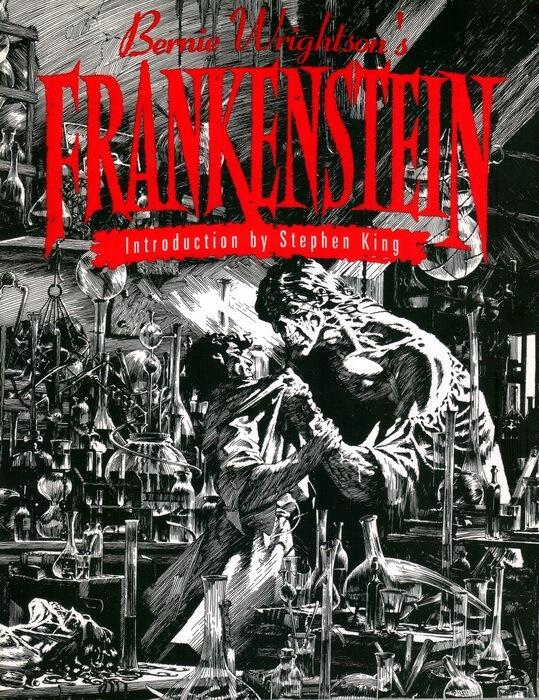
In a stunning collaboration, Ron Marz and the legendary Bernie Wrightson breathe new life into Mary Wollstonecraft Shelley's iconic narrative of ambition and monstrosity. This fresh adaptation presents the timeless tale of Victor Frankenstein, whose relentless pursuit of knowledge leads him to create a being that embodies terror itself. Wrightson’s hauntingly beautiful illustrations amplify the emotional weight of Shelley's prose, effectively capturing the gothic essence of the original story.
As the line between creator and creation blurs, readers are drawn into a profound exploration of morality, responsibility, and the struggle against societal rejection. The raw, bleak landscapes and meticulously crafted characters pose a thought-provoking question on the nature of humanity and the consequences of our choices. The presence of Stephen King as a contributor adds a layer of modern reflection on fear and monstrosity, lending his unique insight into the psychological depth of the characters.
Frankenstein represents not only a horror story but a tragic tale of loss and longing, where Victor's ambition leads him down a path of self-destruction. The creature, often misunderstood and abandoned, embodies the loneliness that arises from rejection, compelling readers to grapple with the complexities of both creator and creation.
This edition invites readers to revisit the classic through a visually immersive lens, allowing them to experience the terror, horror, and tragedy of the story anew. It is a testament to both Shelley's timeless message and Wrightson's artistic genius, poised to captivate a new generation while paying homage to those who came before.
As the line between creator and creation blurs, readers are drawn into a profound exploration of morality, responsibility, and the struggle against societal rejection. The raw, bleak landscapes and meticulously crafted characters pose a thought-provoking question on the nature of humanity and the consequences of our choices. The presence of Stephen King as a contributor adds a layer of modern reflection on fear and monstrosity, lending his unique insight into the psychological depth of the characters.
Frankenstein represents not only a horror story but a tragic tale of loss and longing, where Victor's ambition leads him down a path of self-destruction. The creature, often misunderstood and abandoned, embodies the loneliness that arises from rejection, compelling readers to grapple with the complexities of both creator and creation.
This edition invites readers to revisit the classic through a visually immersive lens, allowing them to experience the terror, horror, and tragedy of the story anew. It is a testament to both Shelley's timeless message and Wrightson's artistic genius, poised to captivate a new generation while paying homage to those who came before.
Book Details
Format
Paperback
Pages
188 pages
Language
English
Published
Jan 1, 1995
Publisher
Underwood Books
Editions
2 editions
ISBN-10
0887331939
ISBN-13
9780887331930