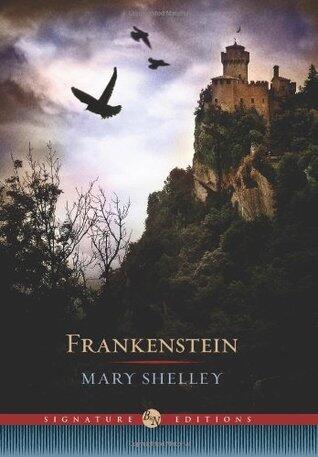
Frankenstein: Or The Modern Prometheus
描述
The narrative centers around the theme of creation and the pursuit of knowledge. As the protagonist, a young scientist, defies the natural order to forge life, he is soon confronted with the moral implications of his actions. The creature he brings to life, though initially innocent, becomes a symbol of the unintended consequences that arise from the relentless quest for power and understanding.
The emotional landscape of the story is rich, exploring feelings of rejection, loneliness, and the search for companionship. The creature's plight elicits both sympathy and horror, challenging readers to contemplate the complexities of humanity and the responsibilities that come with creation. Characters navigate their intertwined fates, revealing the fragility of relationships in the face of obsession.
Ultimately, this narrative serves as a cautionary tale, reflecting on the dangers of overreaching ambition and the quest for mastery over nature. It invites readers to ponder profound questions about identity, existence, and the ethical boundaries of scientific inquiry, leaving them to grapple with the haunting implications of one man's hubris.
評論

Es un libro que lleva a una aventura totalmente nueva, no es solo sobre un hombre y una bestia sino sobre apariencia, ambiciones e injusticias sociales. Físicamente la criatura es no deseable, compuesta por distintos cuerpos, creada de una forma antinatural o fuera de la norma sin embargo desde sus inicios muestra una inocencia y bondad digna de un ser puro, su unica ambición es pertenecer y ser tratado con la misma gentileza que él entrega, lamentablemente solo por su fisico es repudiado y tratado como un monstruo por persona que lo ve. Al encontrarse con su creador le suplica que cree un ser femenino igual a el para no sentirsr solo, pero el verdadero frankenstein lo rechaza, lo repudia al igual que todos y provoca una ira incontrolable en la criatura que los lleva a una persecución y un final insatisfactorio para ambos. La autora aqui nos hace preguntarnos ¿quien es la verdadera bestia? ¿quien es realmente un monstruo? ¿La criatura creada o su creador? Un hombre ambicioso, que fue mas allá de cualquier limite y trabajó tanto para que esa satisfacción durara unos segundos y al darse cuenta de lo que habia creado y el limite sin retorno que cruzó provocó un punto de inflexión que lo llevó a una vida miserable, llena de angustia y tragedia hasta su muerte

I loved this book. The story is so intense and emotional. It’s not just about the monster, it’s about loneliness, mistakes, and wanting to be loved. Mary Shelley’s writing is amazing, and the way she shows emotions and makes you think is the perfect point of this book.

This book dives straight into the consequences of unchecked ambition, the ethics of creation, and the devastating loneliness of being made “wrong” by the world before you ever get a chance to exist. Victor Frankenstein is brilliant but catastrophically irresponsible — he wants the glory of creating life, but none of the accountability that comes with it. His cowardice is honestly more monstrous than the creature’s violence.And the creature? Shelley gives him a terrifying level of emotional depth. He’s articulate, perceptive, painfully self-aware. His tragedy isn’t that he’s ugly — it’s that he learns empathy first, and cruelty second. Watching him shift from yearning for connection to calculating vengeance is the kind of character arc modern authors still try and fail to replicate.What really carries the novel is its atmosphere. The isolation. The raw, bleak landscapes mirroring the absolute unraveling of two souls who can’t escape each other. Shelley understood existential dread before we had a name for it.Is the pacing Victorian? Obviously. Does it meander? Sure. But the ideas are sharp enough to cut through any slow patches, and the emotional intelligence on display is still leagues above most contemporary “dark academia” imitators.Bottom line: Frankenstein is a masterpiece because it doesn’t just tell a story — it forces you to confront what responsibility, compassion, and monstrosity actually mean. And every time you reread it, you walk away with a slightly different answer.
This book dives straight into the consequences of unchecked ambition, the ethics of creation, and the devastating loneliness of being made “wrong” by the world before you ever get a chance to exist. Victor Frankenstein is brilliant but catastrophically irresponsible — he wants the glory of creating life, but none of the accountability that comes with it. His cowardice is honestly more monstrous than the creature’s violence.And the creature? Shelley gives him a terrifying level of emotional depth. He’s articulate, perceptive, painfully self-aware. His tragedy isn’t that he’s ugly — it’s that he learns empathy first, and cruelty second. Watching him shift from yearning for connection to calculating vengeance is the kind of character arc modern authors still try and fail to replicate.What really carries the novel is its atmosphere. The isolation. The raw, bleak landscapes mirroring the absolute unraveling of two souls who can’t escape each other. Shelley understood existential dread before we had a name for it.Is the pacing Victorian? Obviously. Does it meander? Sure. But the ideas are sharp enough to cut through any slow patches, and the emotional intelligence on display is still leagues above most contemporary “dark academia” imitators.Bottom line: Frankenstein is a masterpiece because it doesn’t just tell a story — it forces you to confront what responsibility, compassion, and monstrosity actually mean. And every time you reread it, you walk away with a slightly different answer.