Description
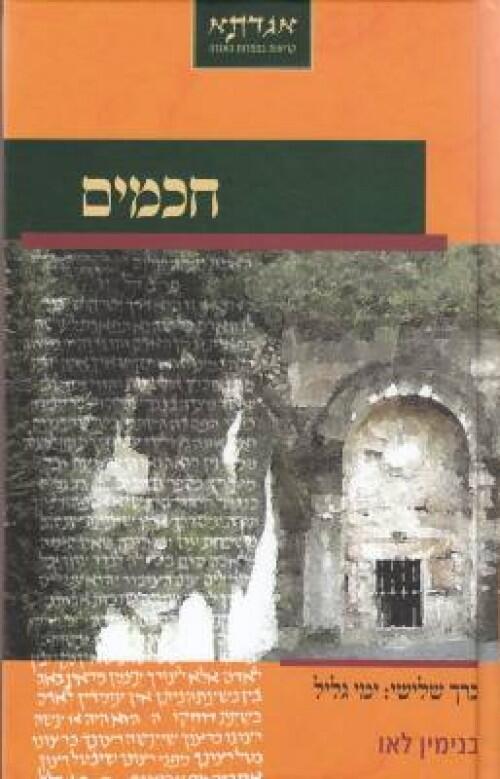
In the second volume of this insightful work, the narrative unfolds in the aftermath of the destruction of the Second Temple, a pivotal event that reshaped Jewish life and thought. Faced with the failures of the Great Revolt and the absence of their central place of worship, Jewish sages began to navigate a new reality, seeking to redefine their identity and practices. Binyamin Lau delves into the transformative period of Yavne through to the Bar Kokhba Revolt, capturing the spirit of resilience and adaptation among the Jewish people.
The text reveals how the sages of Yavne developed an intricate framework for religious practice that would sustain the Jewish community amidst unprecedented challenges. Their discussions and teachings became the seeds of Rabbinic Judaism, emphasizing the importance of collective memory, learning, and legal discourse in the absence of the Temple. As the narrative progresses, readers will witness the evolution of religious thought and its profound impact on Jewish identity.
Lau's exploration is not simply an academic recounting of history; it is a vibrant tapestry of cultural, spiritual, and intellectual developments. The dynamics among the sages, alongside the sociopolitical upheavals of the time, are brought to life with detail and nuance. This volume invites readers to engage deeply with the legacy of this critical period, fostering an understanding of how the past informs contemporary Jewish life.
Ultimately, the author's keen analysis highlights the resilience of a people adapting to loss and redefining faith in the face of adversity. Through meticulous scholarship and engaging prose, this work serves as a crucial resource for anyone interested in the complexities of Jewish history during a time of profound transition and transformation.
The text reveals how the sages of Yavne developed an intricate framework for religious practice that would sustain the Jewish community amidst unprecedented challenges. Their discussions and teachings became the seeds of Rabbinic Judaism, emphasizing the importance of collective memory, learning, and legal discourse in the absence of the Temple. As the narrative progresses, readers will witness the evolution of religious thought and its profound impact on Jewish identity.
Lau's exploration is not simply an academic recounting of history; it is a vibrant tapestry of cultural, spiritual, and intellectual developments. The dynamics among the sages, alongside the sociopolitical upheavals of the time, are brought to life with detail and nuance. This volume invites readers to engage deeply with the legacy of this critical period, fostering an understanding of how the past informs contemporary Jewish life.
Ultimately, the author's keen analysis highlights the resilience of a people adapting to loss and redefining faith in the face of adversity. Through meticulous scholarship and engaging prose, this work serves as a crucial resource for anyone interested in the complexities of Jewish history during a time of profound transition and transformation.
Book Details
Format
Hardcover
Pages
383 pages
Language
Hebrew
Published
Jan 1, 2007
Publisher
בית מורשה - ספריית אלינר משכל (ידיעות ספרים)
Editions
2 editions
Genres
History